




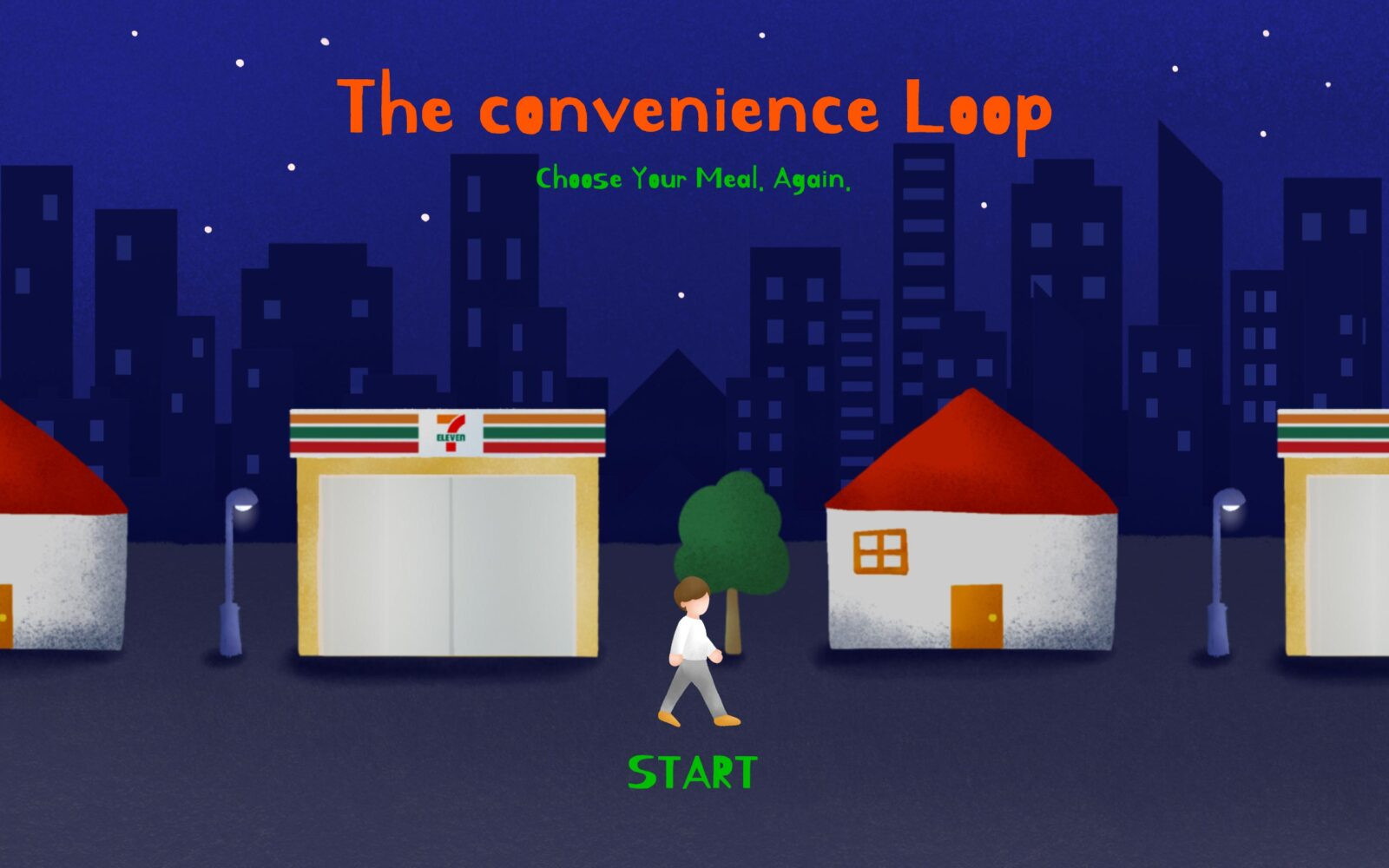
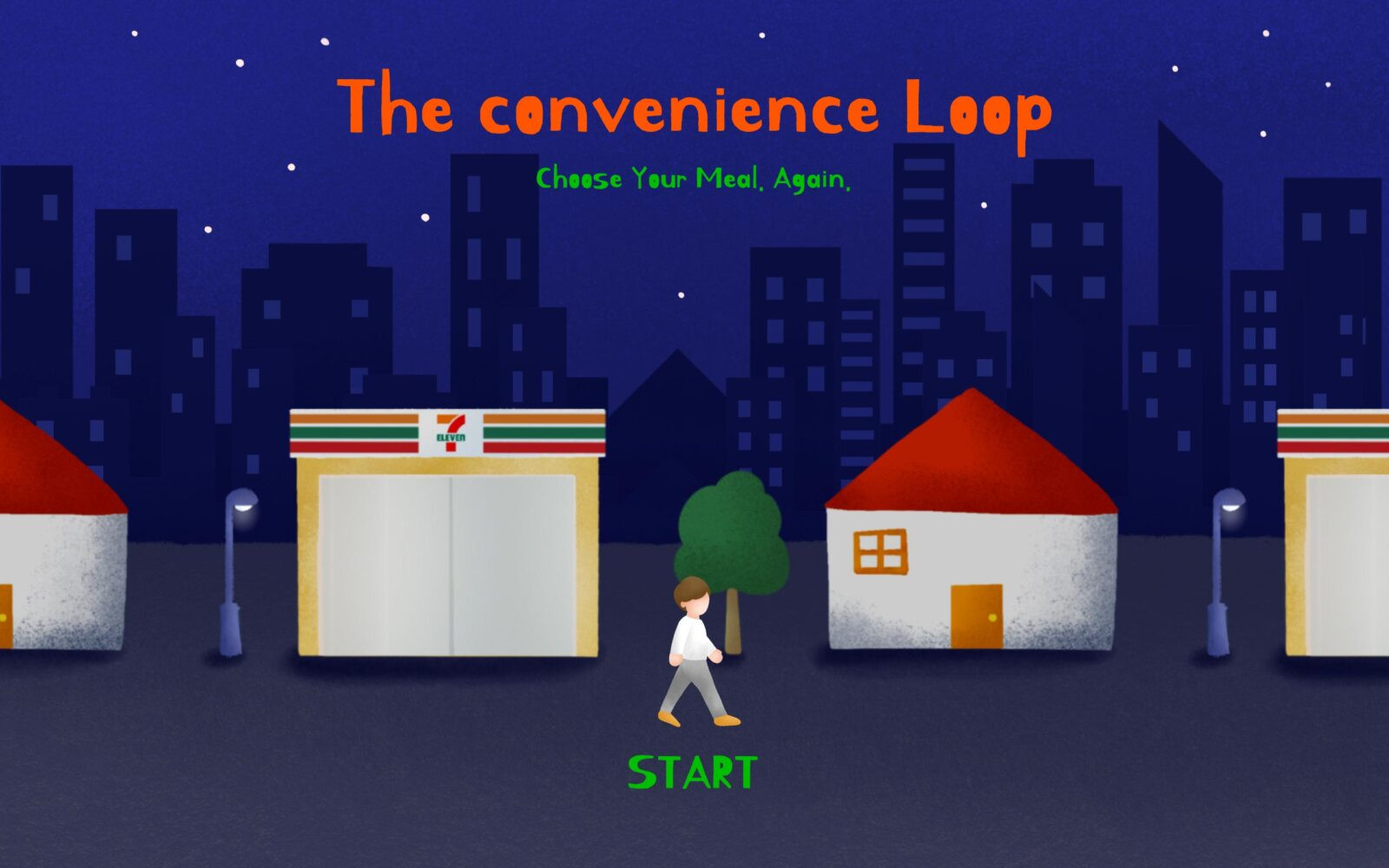
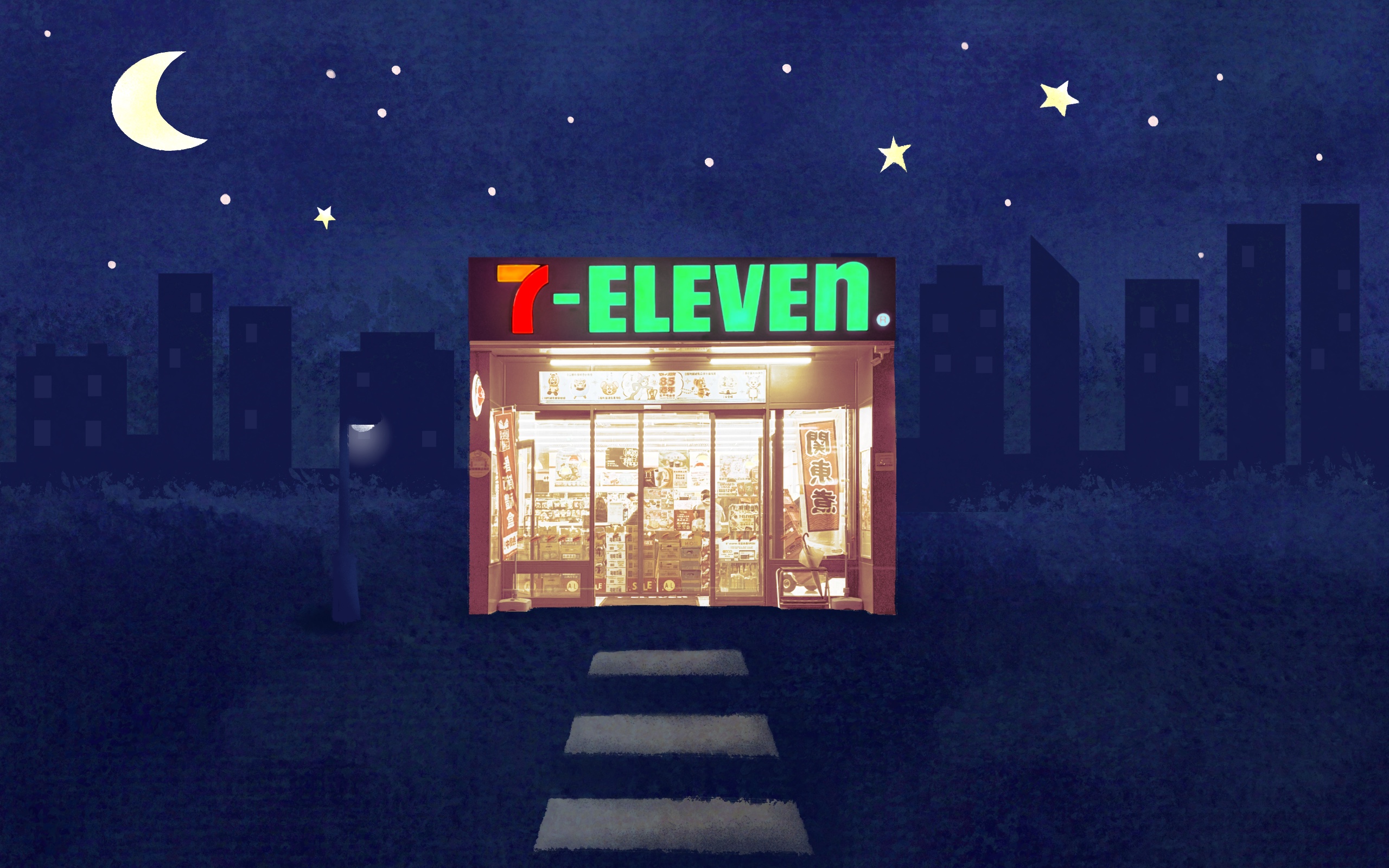
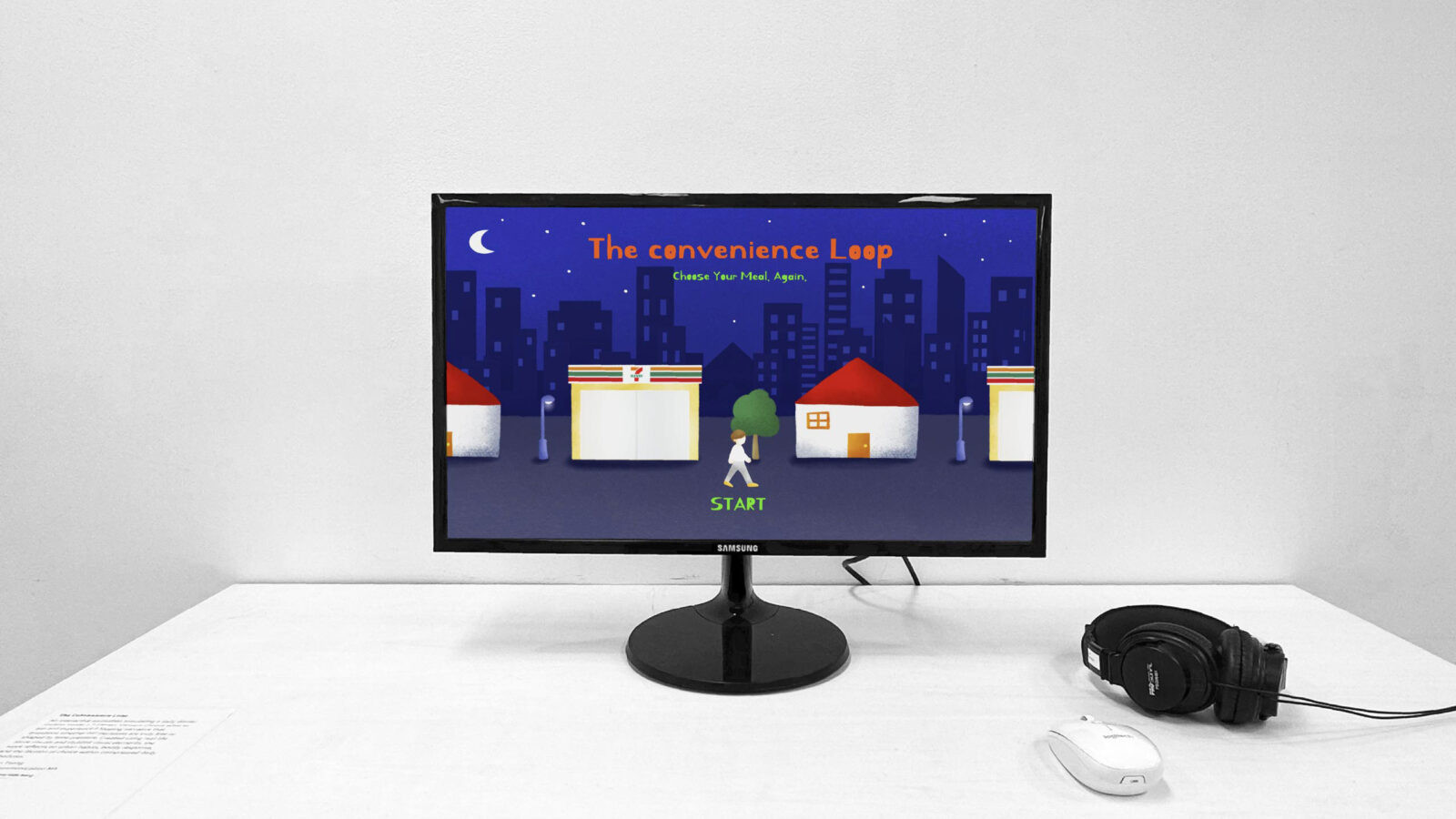
The Convenience Loop is an interactive animation that critiques how East Asian societies—particularly Taiwan—have normalized overwork, efficiency, and dependence on convenience. 7-Eleven was chosen as the symbolic setting because it best represents convenience culture in Taiwan: there is one every 200 meters, serving not only as a retail space but as an essential infrastructure of modern urban life. Within this environment, convenience turns into comfort, and speed into a social value.
After moving to the UK, I noticed how people live by a slower rhythm—finishing work earlier, cooking at home, and taking time to unwind. In contrast, East Asian cities operate under acceleration: long hours, quick meals, and compressed time. For many, dinner is reduced to a habitual stop at the convenience store. This contrast inspired my research question: How do time-constrained post-work routines shape individuals’ food choices and normalize reliance on convenience stores?
These reflections shaped my critical lens—revealing convenience stores not merely as places of purchase, but as compressed micro-infrastructures of modern urban life. They embody a broader social condition: how accelerating rhythms foster convenience addiction, numb our sensory awareness, and normalize a “freedom of choice” that is already predetermined by algorithms and consumer environments. By treating convenience stores as cultural and psychological structures, this project explores how people live fast, choose fast, and lose space for reflection—not only in Taiwan, but across the contemporary urban experience.
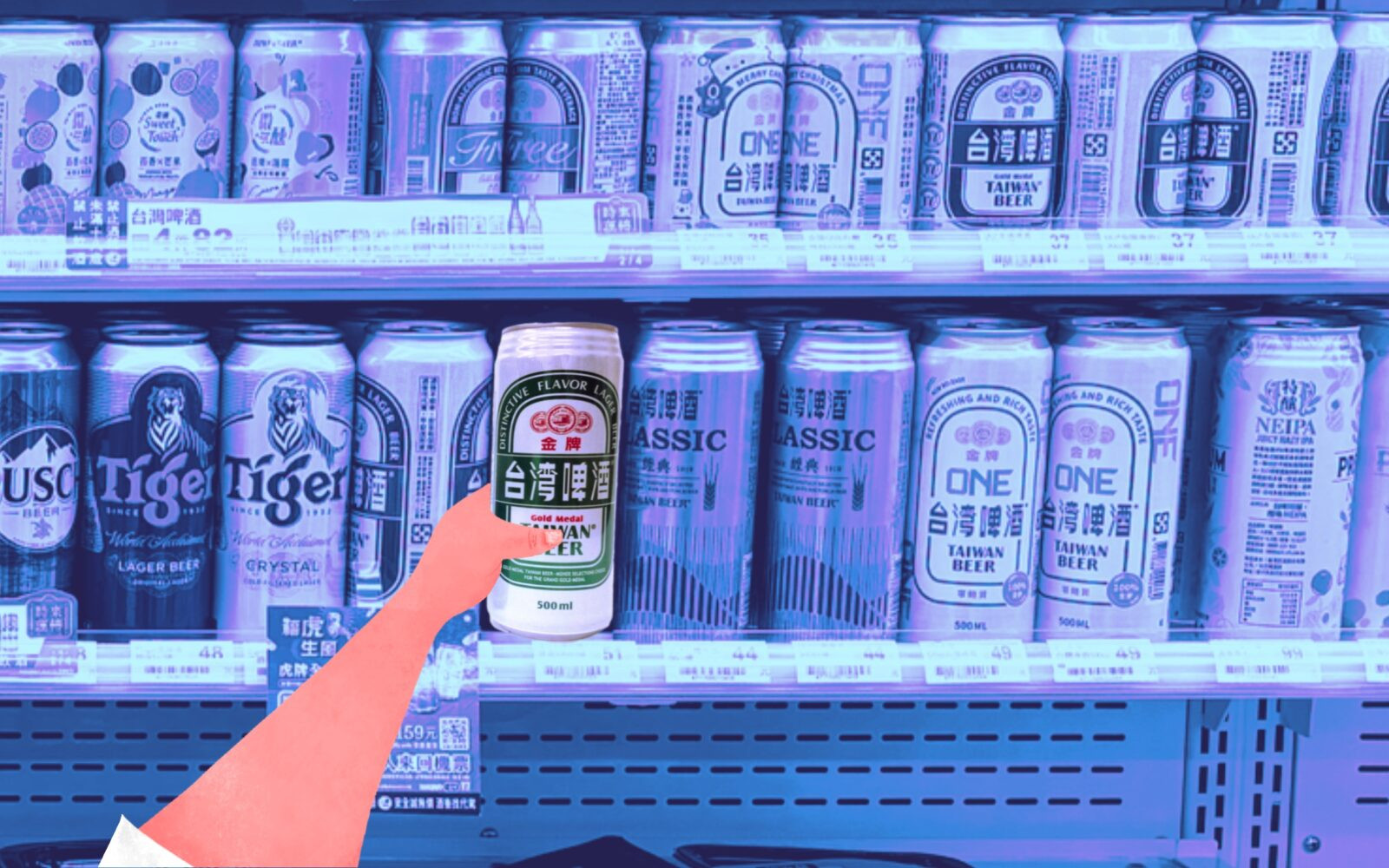
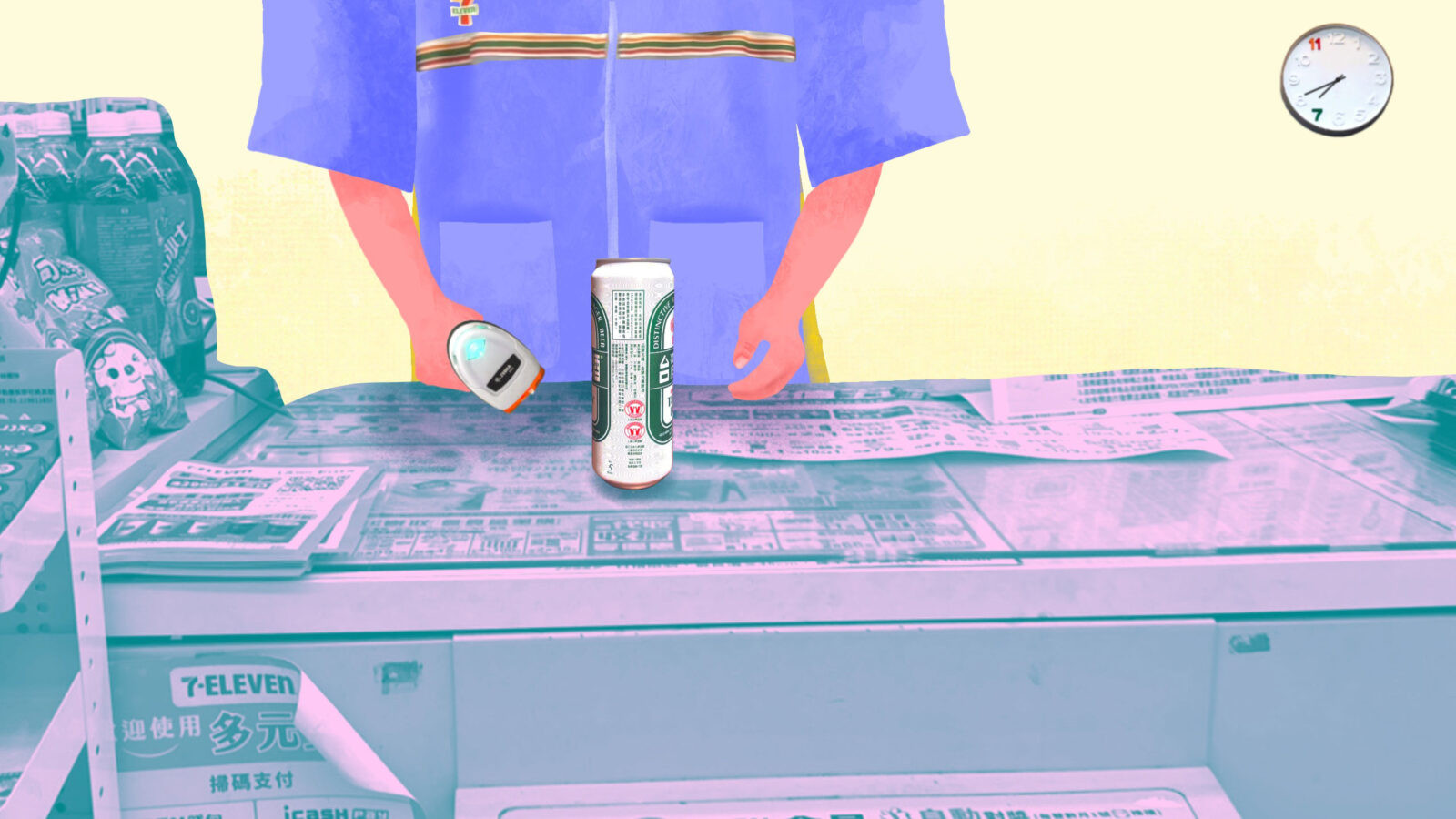
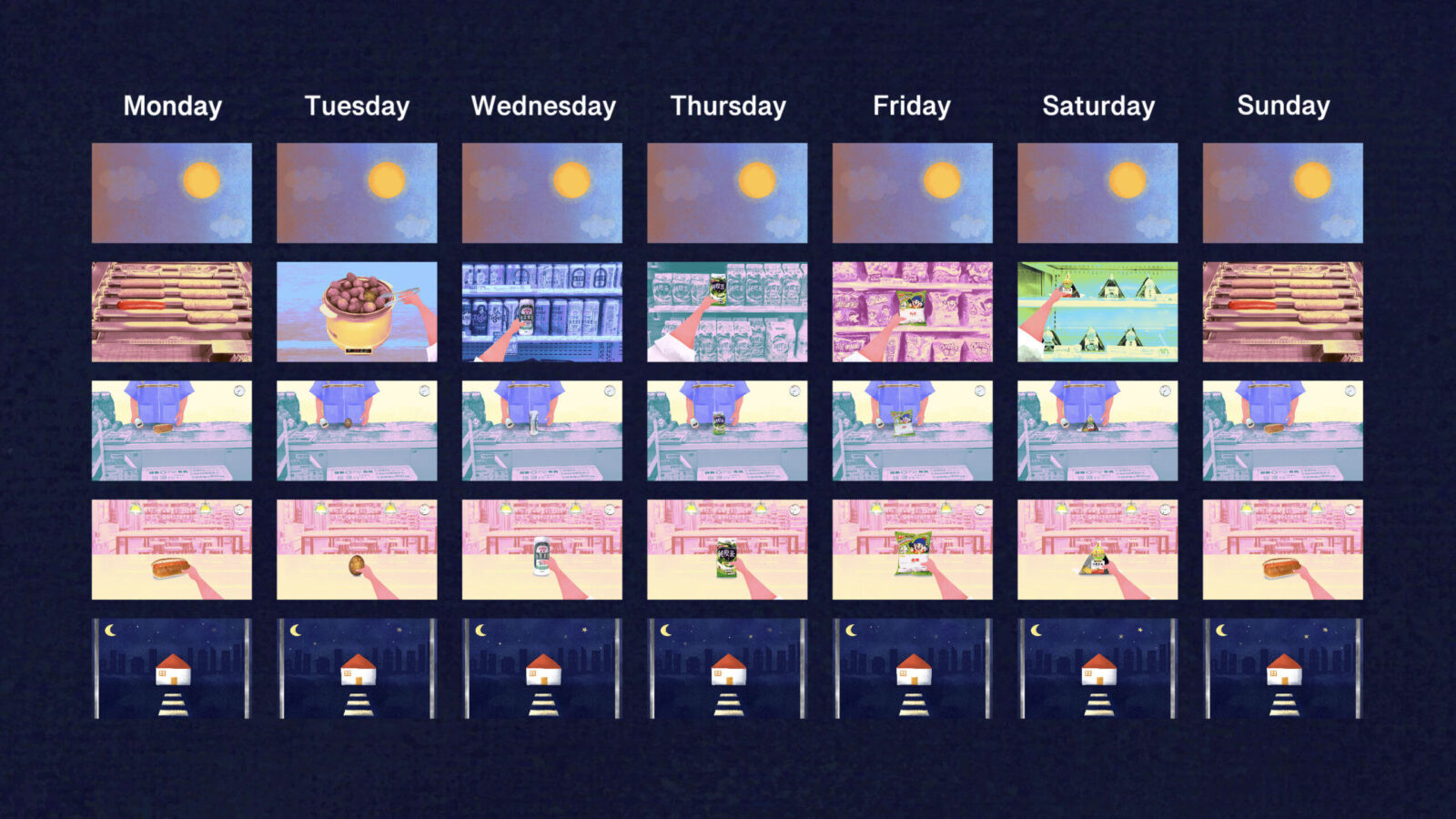
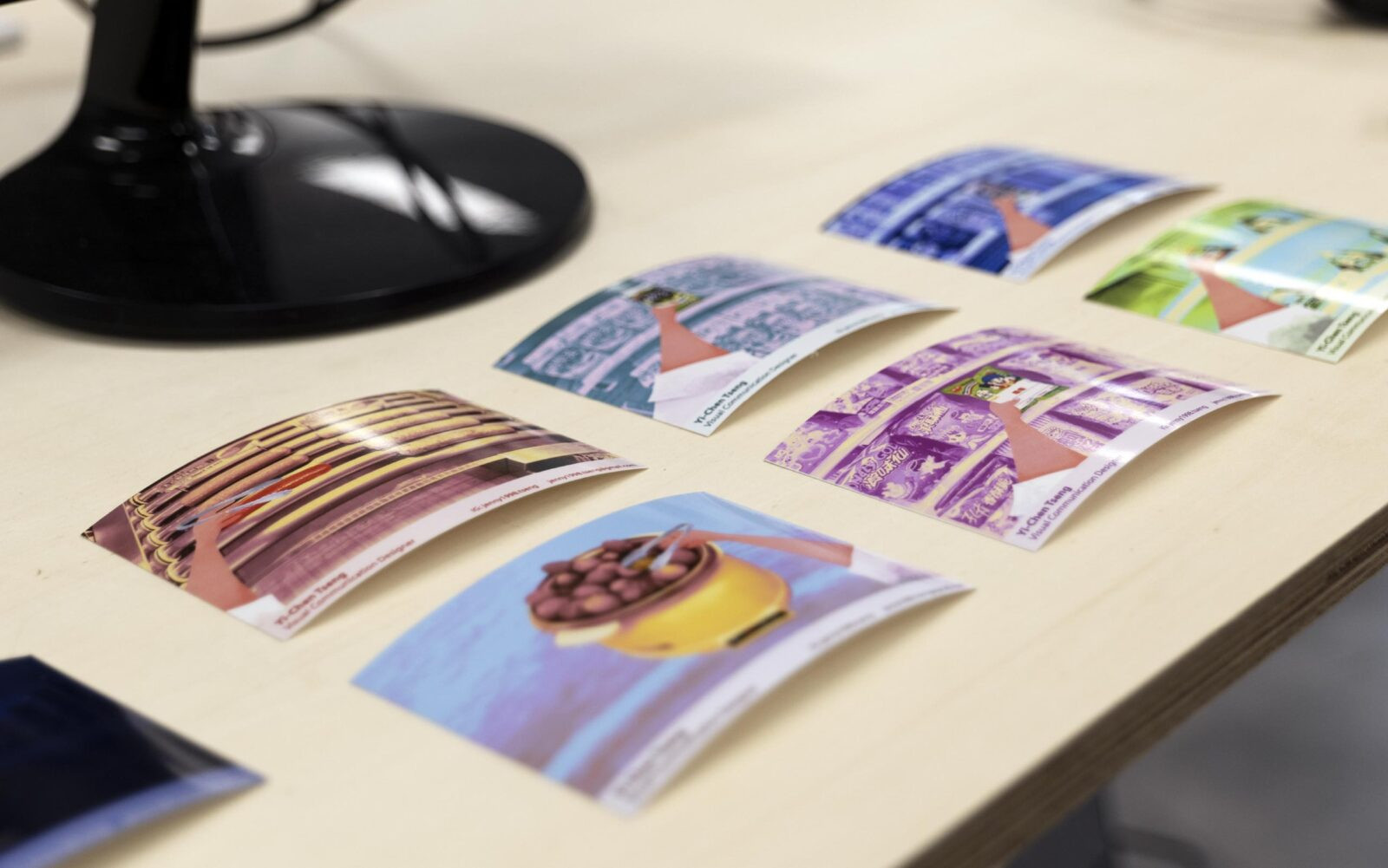
Visually and sonically, the work was built through a combination of field documentation and handcrafted animation. It uses scanned and hand-cut textures of real 7-Eleven food packaging from Taiwan—items such as onigiri, instant meals, and bottled drinks that represent everyday local taste. Real audio—doors sliding open, checkout beeps, and ambient noise—was recorded directly inside Taiwanese 7-Elevens to ground the work in lived experience.
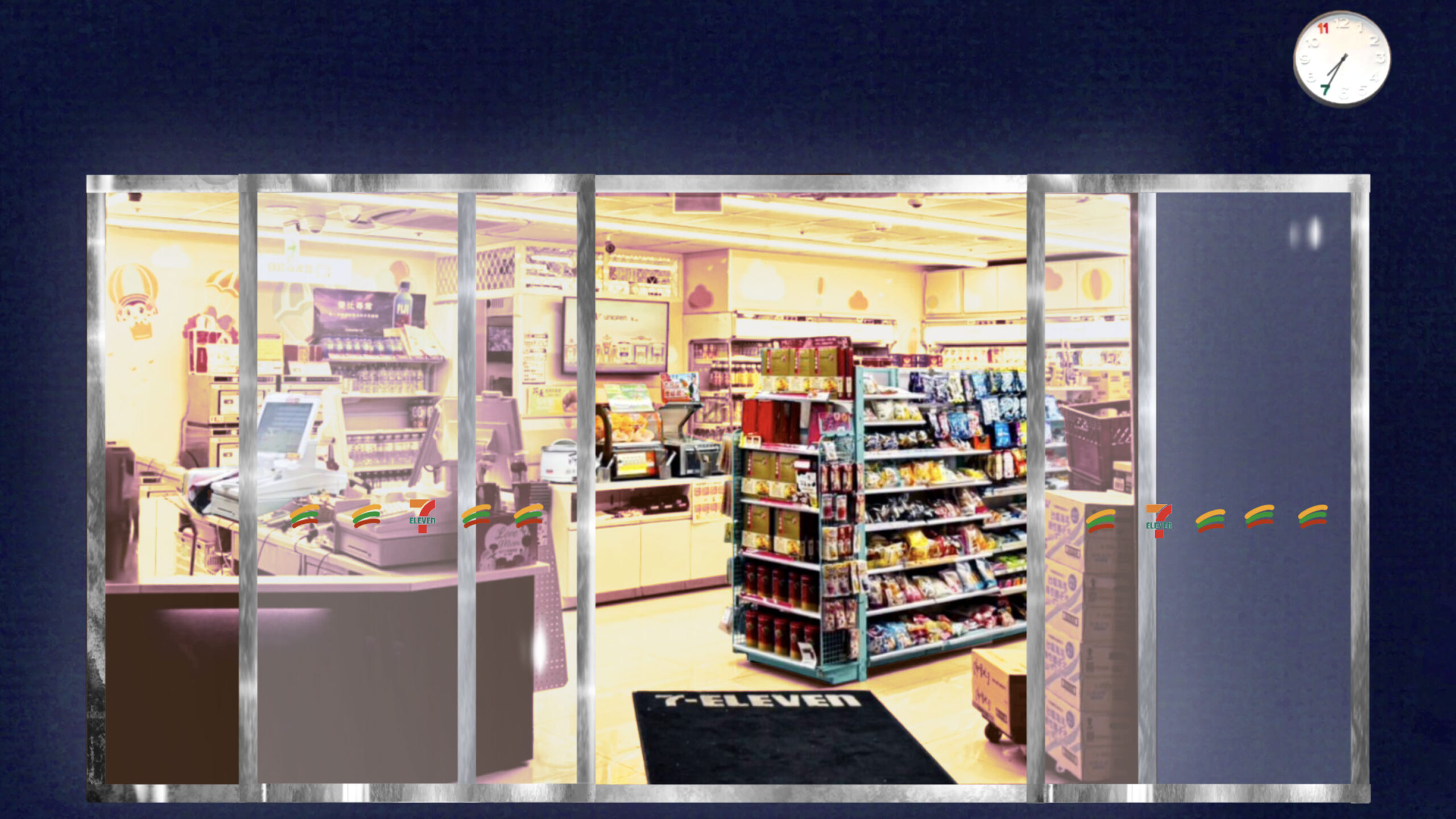
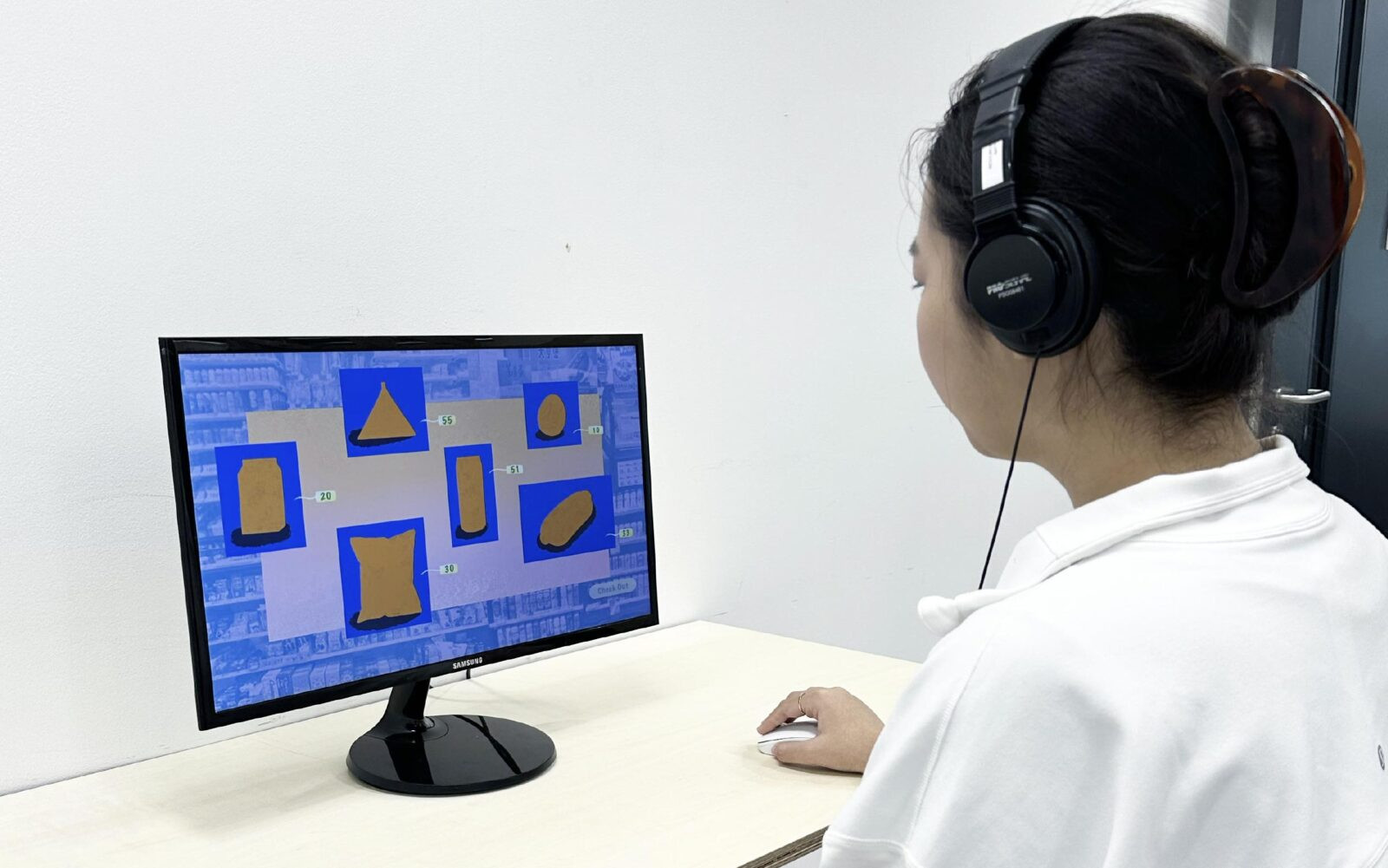
The opening sequence presents silhouetted foods that invite viewers to interact by guessing their identities before revealing them, blending playfulness with cultural familiarity. At first glance, the scenes appear cheerful and colorful, echoing the bright aesthetics of consumer culture. Yet beneath the surface lies quiet repetition—an aesthetic of monotony that mirrors the automation of daily life. Every frame contains a clock frozen between 7:35 and 7:55, where the hour and minute hands point to 7 and 11, visually anchoring the audience within the symbolic time loop of the store itself.
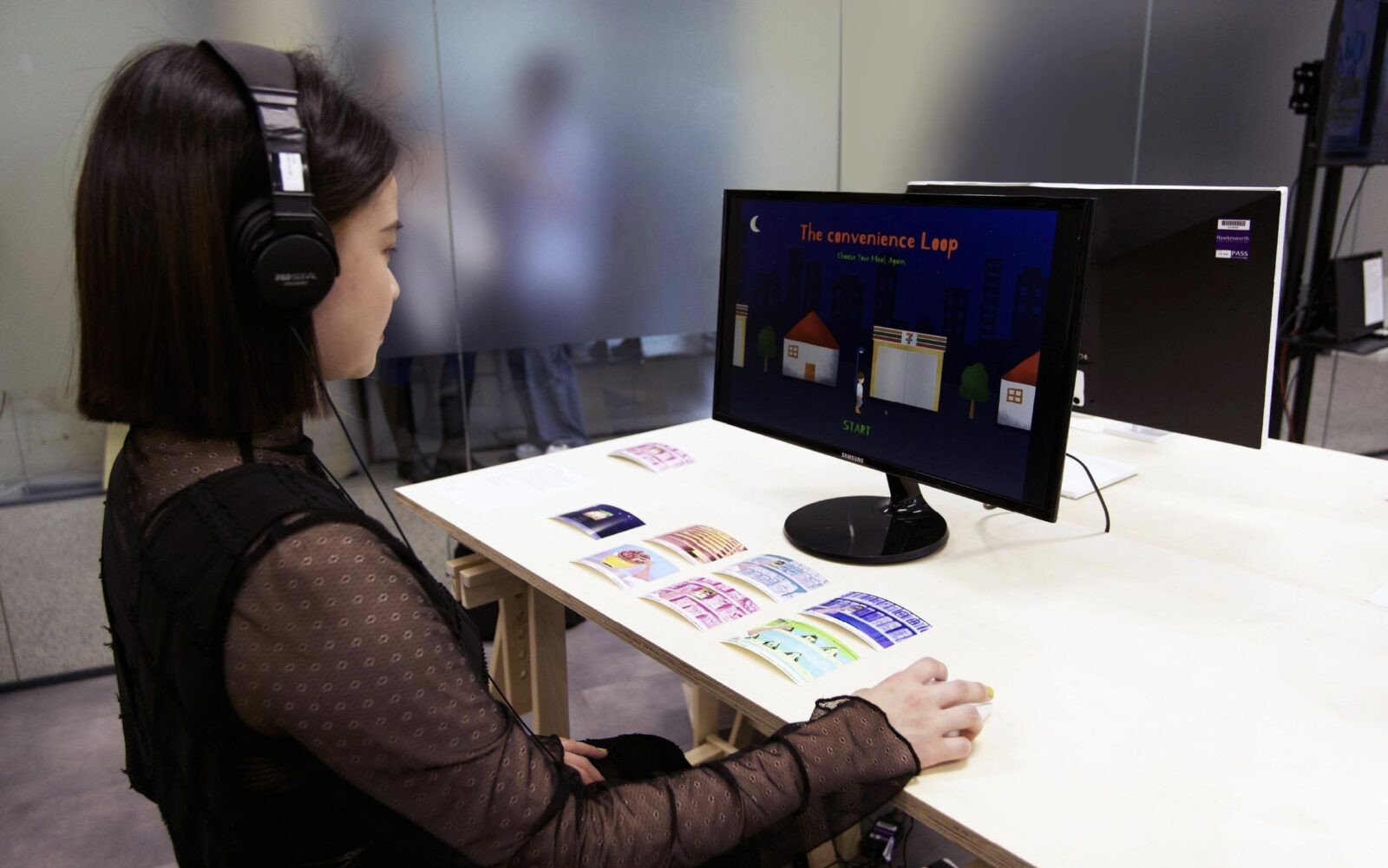
Through subtle interaction and first-person framing, the animation places viewers in the role of a customer navigating a 7-Eleven after work. They make small choices—selecting dinner, paying, leaving—only to find themselves back where they started. This deliberate repetition mirrors how contemporary life traps us in predictable cycles, where freedom feels real but is quietly orchestrated. The Convenience Loop transforms an ordinary act—buying dinner—into a mirror of modern existence. It invites viewers to participate, pause, and notice how convenience culture compresses time and emotion, shaping a rhythm that feels effortless yet inescapably repetitive.
CREDIT
- Agency/Creative: Yi-Chen Tseng
- Article Title: Student Yi-Chen Tseng Examine Convenience Culture Through The Convenience Loop
- Organisation/Entity: Student
- Project Status: Non Published
- Agency/Creative Country: Taiwan
- Agency/Creative City: Hsinchu
- Project Deliverables: Animation, Illustration
- Industry: Education
- Keywords: WBDS Student Design Awards 2025/26 , Interactive Animation, Visual Communication, Convenience Culture, Consumer Culture, Social Design









