



I. THE FOUNDATION: ARCHITECTING INTIMACY
At House of Ta, we approach branding as an act of constructing meaning beyond the visible. With Liis, the foundation begins not with form, but with feeling.
Liis is not merely a fragrance brand—it is an intimate system of sensory expression. Built around the idea of scent as a “second skin,” the brand invites individuals to inhabit fragrance as a personal space—quiet, emotional, and deeply subjective.
In a category often driven by excess and ornamentation, Liis pursues a different path: distillation. The challenge was not to add, but to refine—transforming simplicity into a vessel capable of carrying emotional depth.
II. THE INSPIRATION: THE ECOLOGY OF BREATHING SPACE
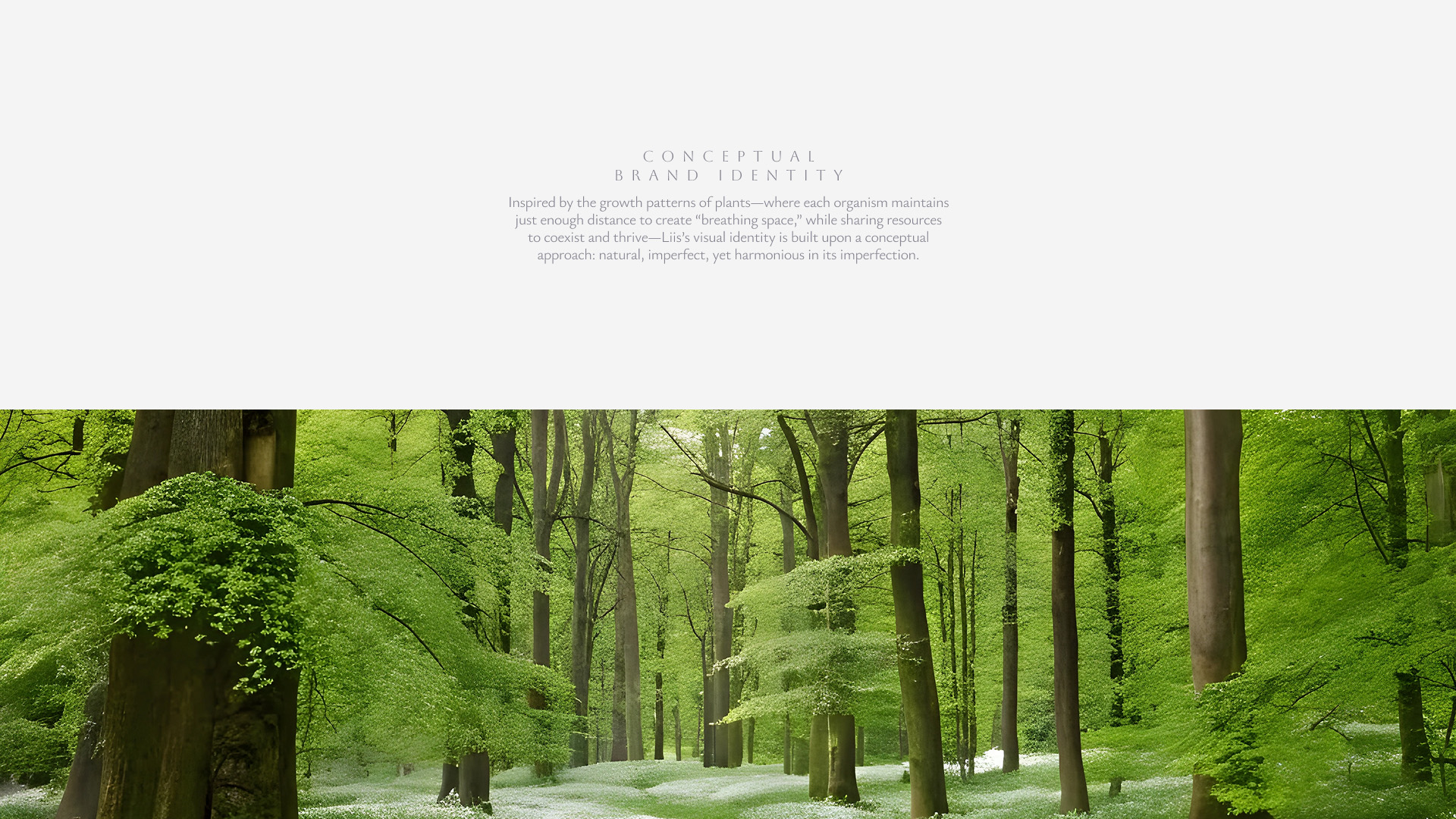
The conceptual core of Liis draws from the natural growth patterns of plant ecosystems.
In nature, each organism maintains a precise distance—creating “breathing space”—while simultaneously sharing resources to sustain collective growth. This silent negotiation between separation and connection became the philosophical framework for the brand.
We translated this ecological principle into a visual language defined by:
Spatial awareness
Controlled distance
Invisible connectivity
Liis exists in this tension: isolated yet connected, minimal yet expressive—mirroring how nature achieves harmony through balance rather than perfection.
III. THE PRINCIPLE: IMPERFECTION AS INTENTION
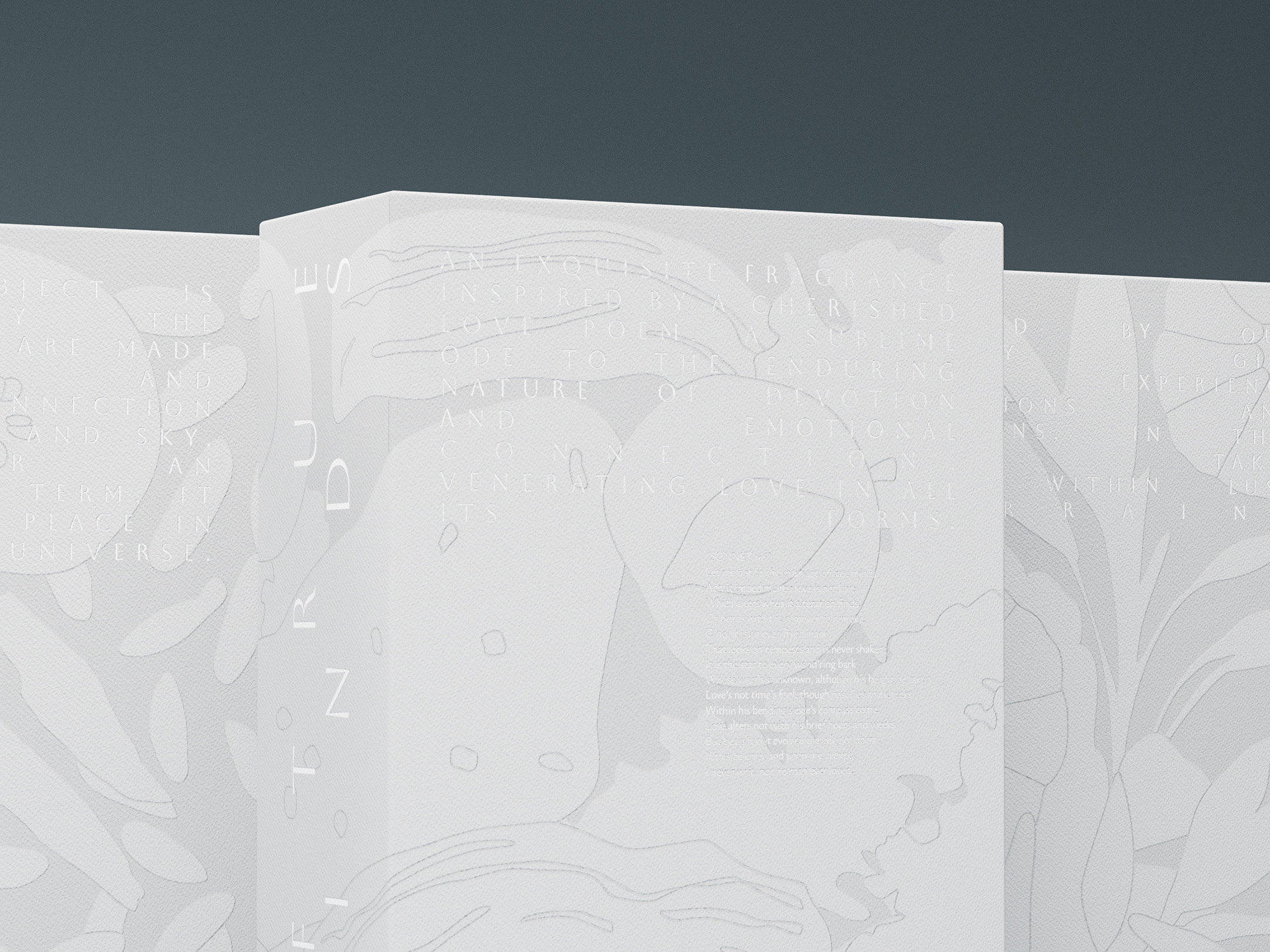
Rather than pursuing sterile perfection, Liis embraces a more human condition—intentional imperfection.
The design system introduces handcrafted, raw linework—subtle, irregular, and tactile. These imperfections are not decorative; they function as emotional carriers, embedding warmth and intimacy into an otherwise minimal structure.
This approach redefines minimalism:
Not as reduction for its own sake,
but as a calibrated framework where every element is allowed to breathe, exist, and resonate.
IV. VISUAL EXECUTION: TRANSLATING SCENT INTO FORM
The central design challenge of Liis was fundamentally abstract:
How do you translate an invisible sensory experience into a structured visual system?
Our solution lies in constructing a visual architecture that mirrors the anatomy of fragrance itself.
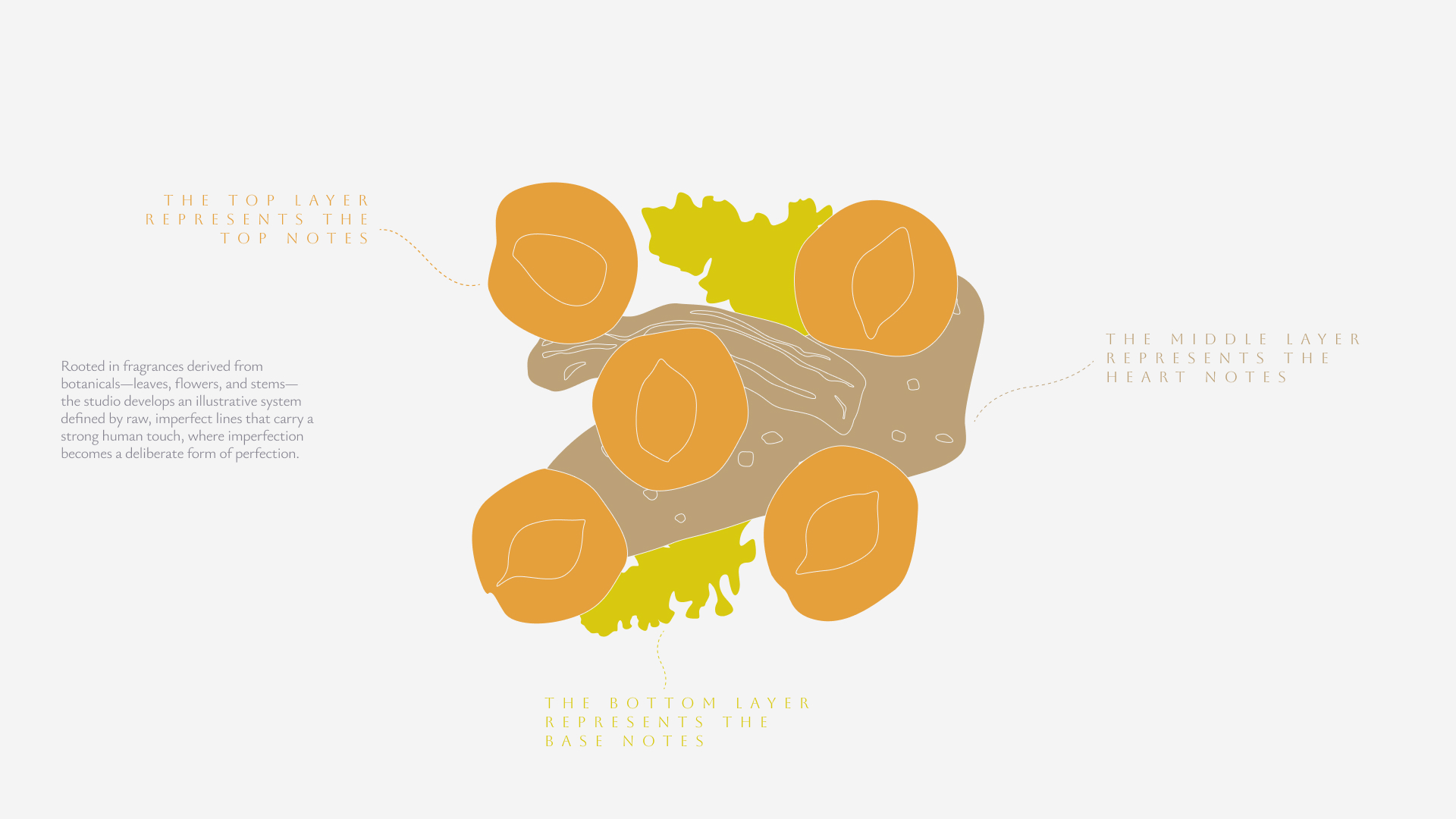
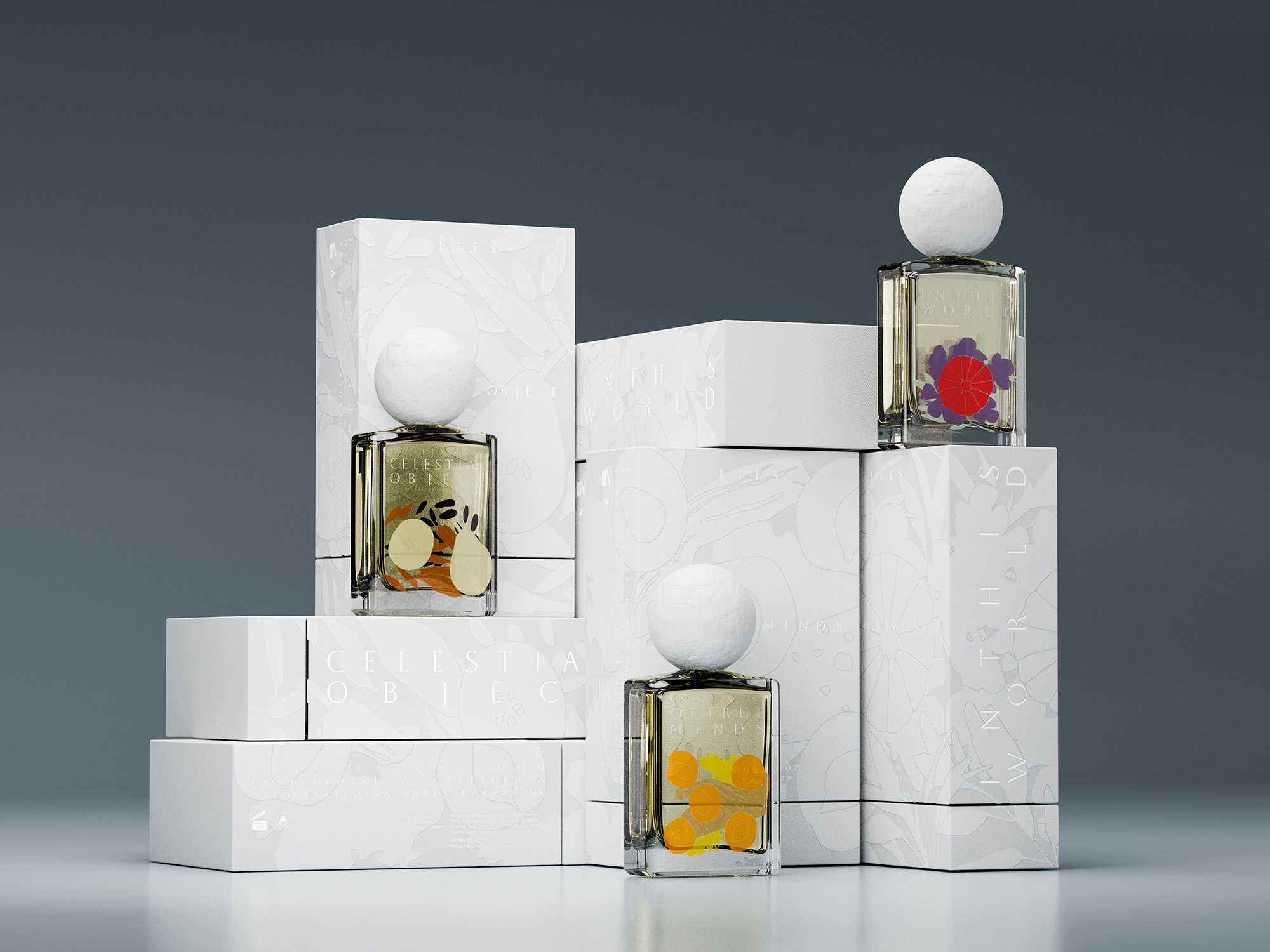
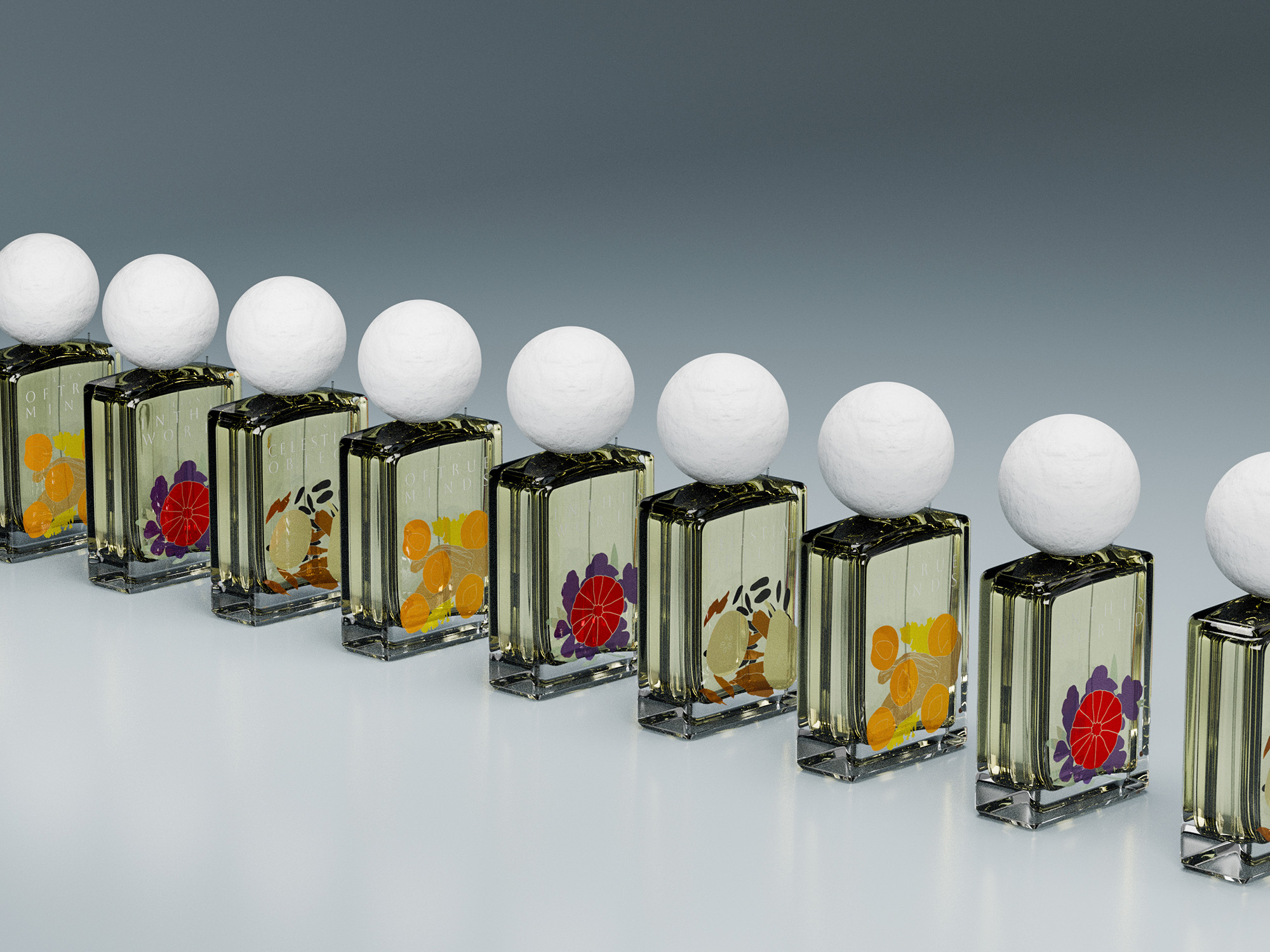
1. Botanical Origin as Visual Language
Each scent originates from natural elements—leaves, flowers, stems.
These are reinterpreted into a system of illustrative forms, retaining their organic essence while abstracting them into minimal compositions.
2. Layering as Olfactory Structure
The identity system is built upon a three-layer composition:
Top Notes → Initial impression
Heart Notes → Emotional core
Base Notes → Lasting memory
Each illustrated element corresponds to a scent component and is layered accordingly—creating a visual rhythm that reflects how fragrance unfolds over time.
3. Visualizing the Invisible
Through this layered system, scent is no longer intangible.
It becomes readable, structured, and experiential—transforming olfactory perception into a visual narrative.
V. COLOR STRATEGY: CONTROLLED EXPANSION
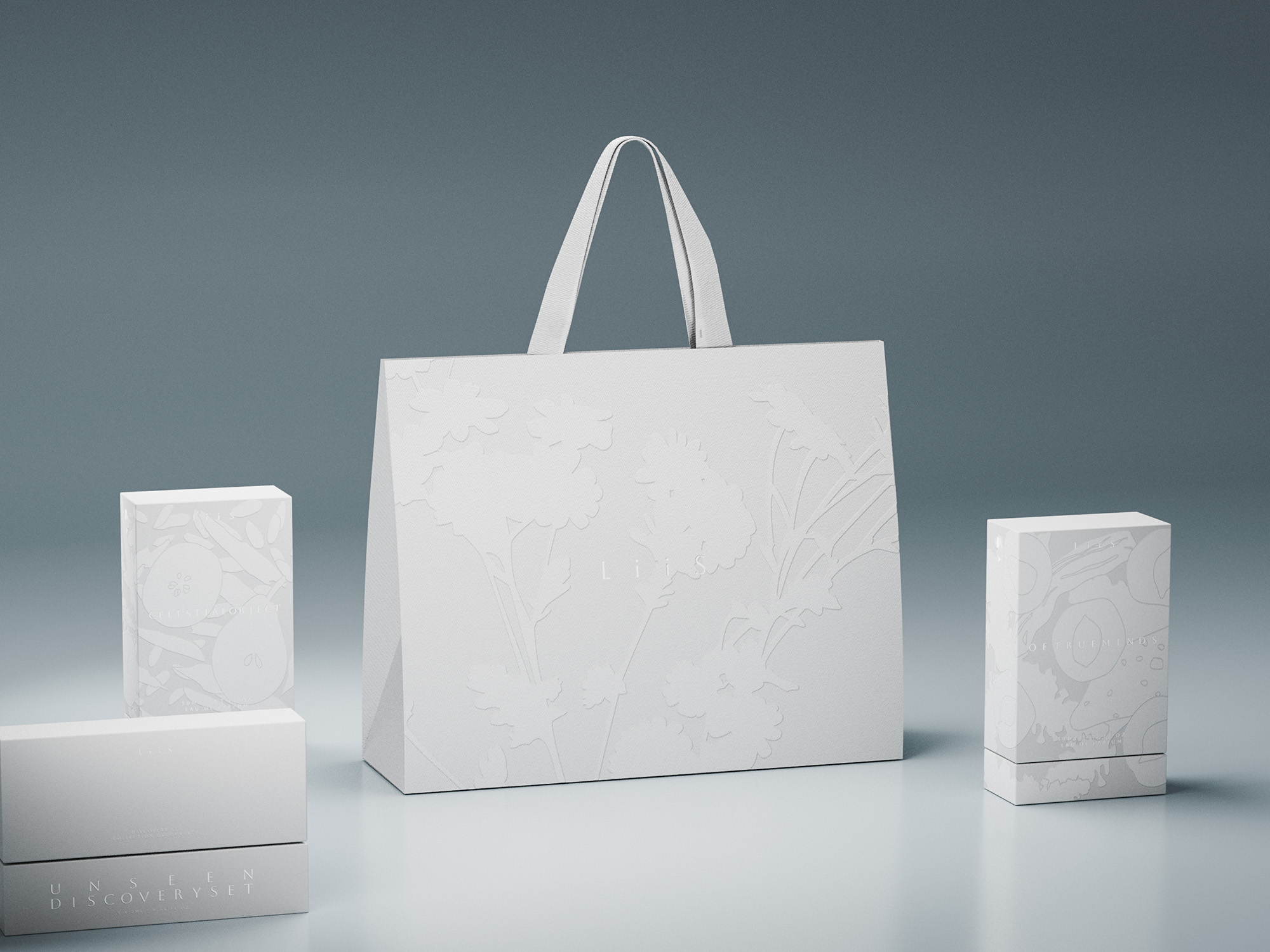
Liis adopts a restrained primary palette built on refined tonal variations—establishing a clean, cohesive visual base.
From this minimal core, complementary hues—derived from natural ingredients—are introduced selectively. This allows the system to expand chromatically without losing its discipline.
The result is a dynamic equilibrium:
A brand that feels rich, yet never excessive.
VI. BRAND ORIGIN: A CONNECTION TRANSLATED INTO SCENT
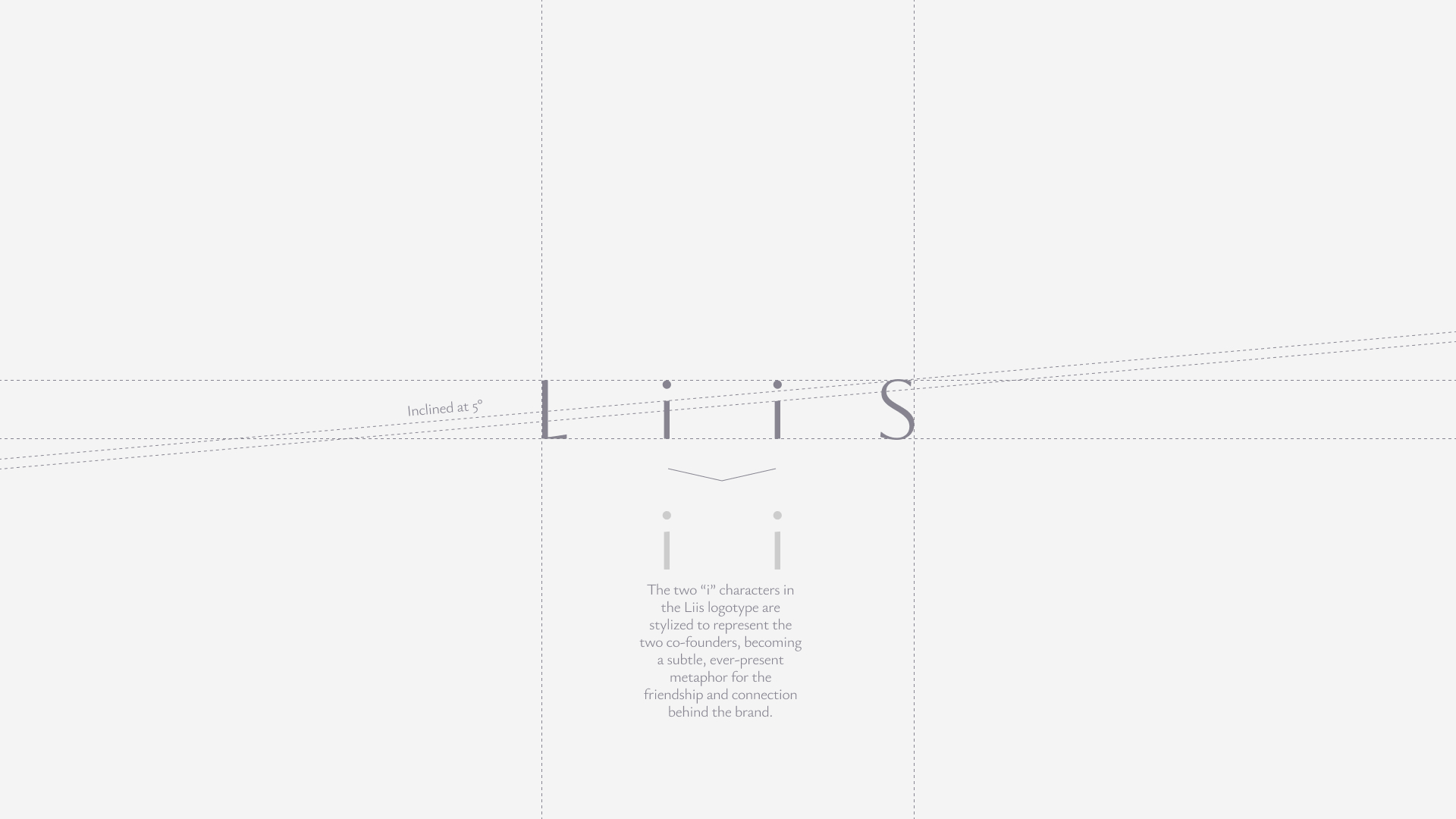
Liis was born from a serendipitous relationship between two individuals who grew up in proximity yet only met years later.
Their shared fascination with perfume—as emotional artifacts—evolved into a deeper creative dialogue. Memory, intimacy, and personal perception became the foundation of the brand.
Liis is the materialization of that connection:
A body of work where each fragrance is not a product, but a story—completed only through the wearer.
VII. THE OUTCOME: A SENSORY VISUAL SYSTEM
Liis is not designed to dominate attention.
It is designed to stay—quietly, intimately.
Through the integration of:
conceptual minimalism
ecological thinking
sensory translation
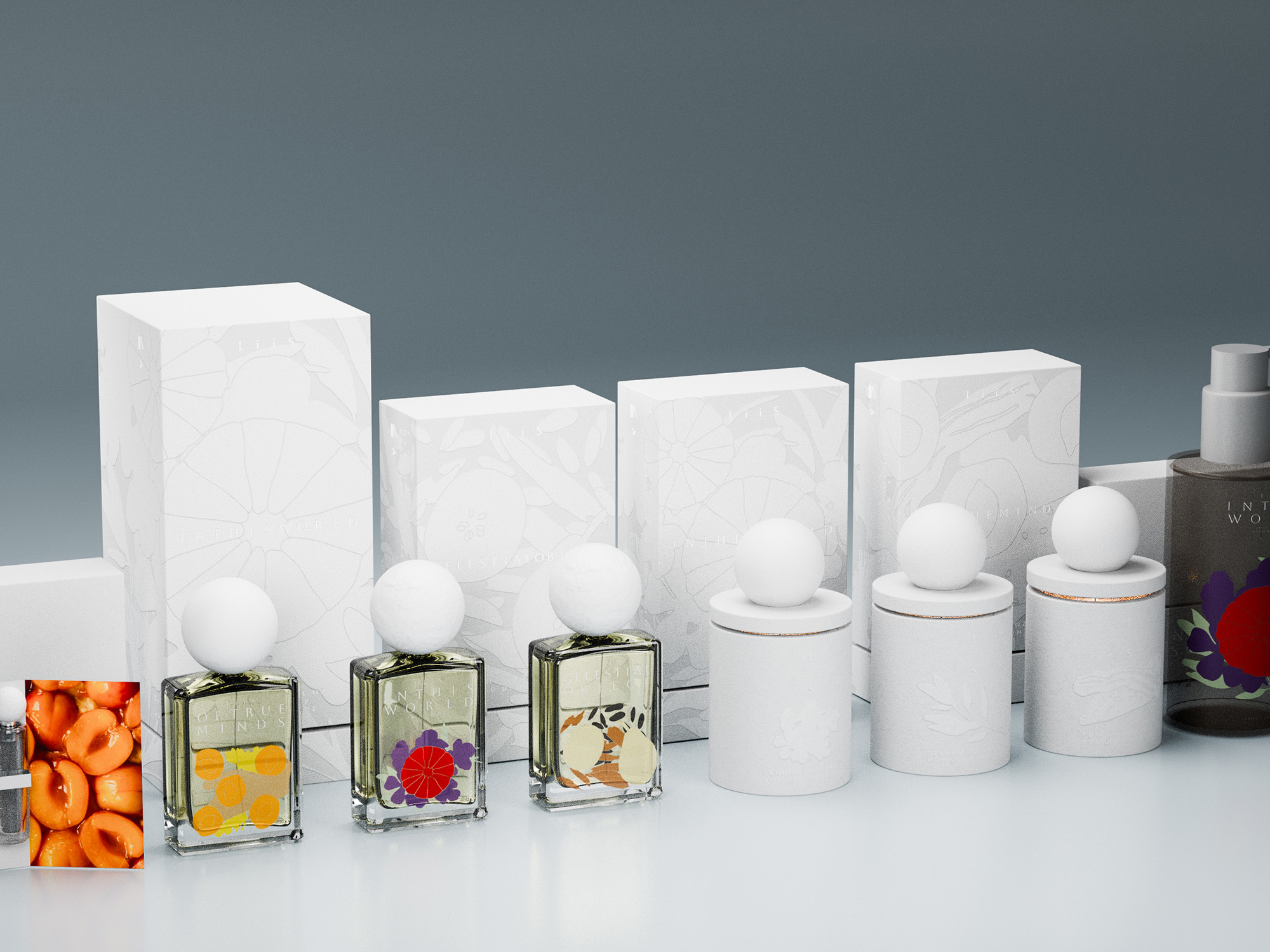
House of Ta has constructed a visual identity that functions as an extension of the fragrance itself.
A system where:
space becomes meaning
imperfection becomes language
and scent becomes visible


CREDIT
- Agency/Creative: House of Ta
- Article Title: House of Ta Develops Liis Fragrance as a Minimalist Brand Identity Translating Scent Into a Layered Visual System
- Organisation/Entity: In-House
- Project Type: Identity
- Project Status: Published
- Agency/Creative Country: Vietnam
- Agency/Creative City: Ho Chi Minh
- Market Region: Global
- Project Deliverables: Art, Brand Design, Brand Identity, Branding, Graphic Design, Rebranding
- Industry: Beauty/Cosmetics
- Keywords: Branding
-
Credits:
Art Director: Angles









