




BITSCAPE – Independent Game Culture Festival
Every World Starts With A Pixel
Independent games rarely begin with massive studios or huge budgets.
They start with small ideas, personal experiments, unfinished prototypes and people building worlds late at night.
BITSCAPE was designed as a festival celebrating that culture — where playing, building and sharing games exist in the same space.
The identity translates the experimental spirit of indie development into a structured but flexible visual system.
Press Start
Instead of designing a traditional festival identity, the goal was to create something that behaves like a playable environment.
BITSCAPE is structured like a game itself.
Visitors move through different zones, each representing a different layer of game culture — from playing and discovering games to building them, discussing them and collaborating with other creators.
The brand therefore needed to function like a map rather than a static visual identity.
One Key. Infinite Worlds.
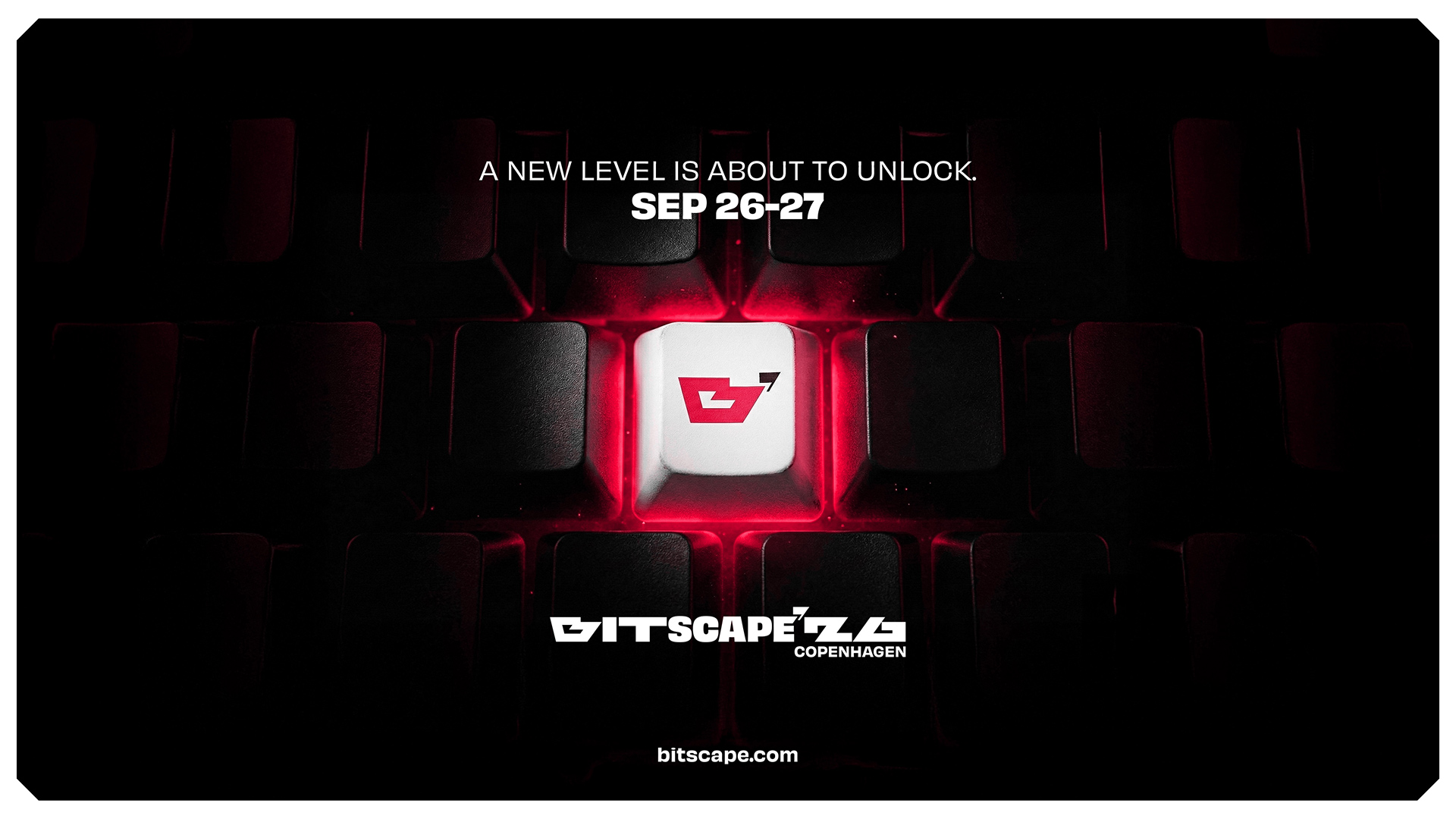
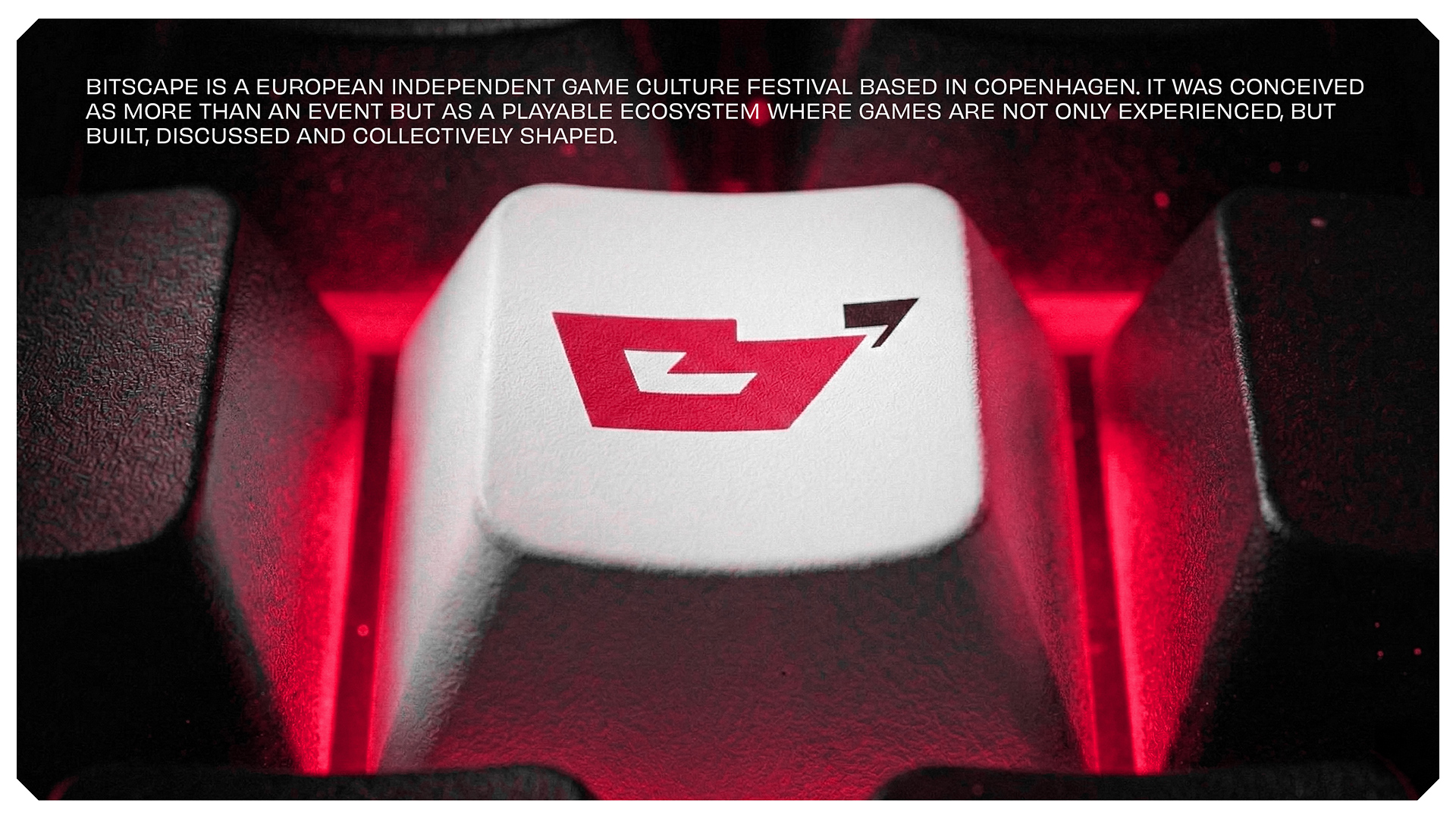
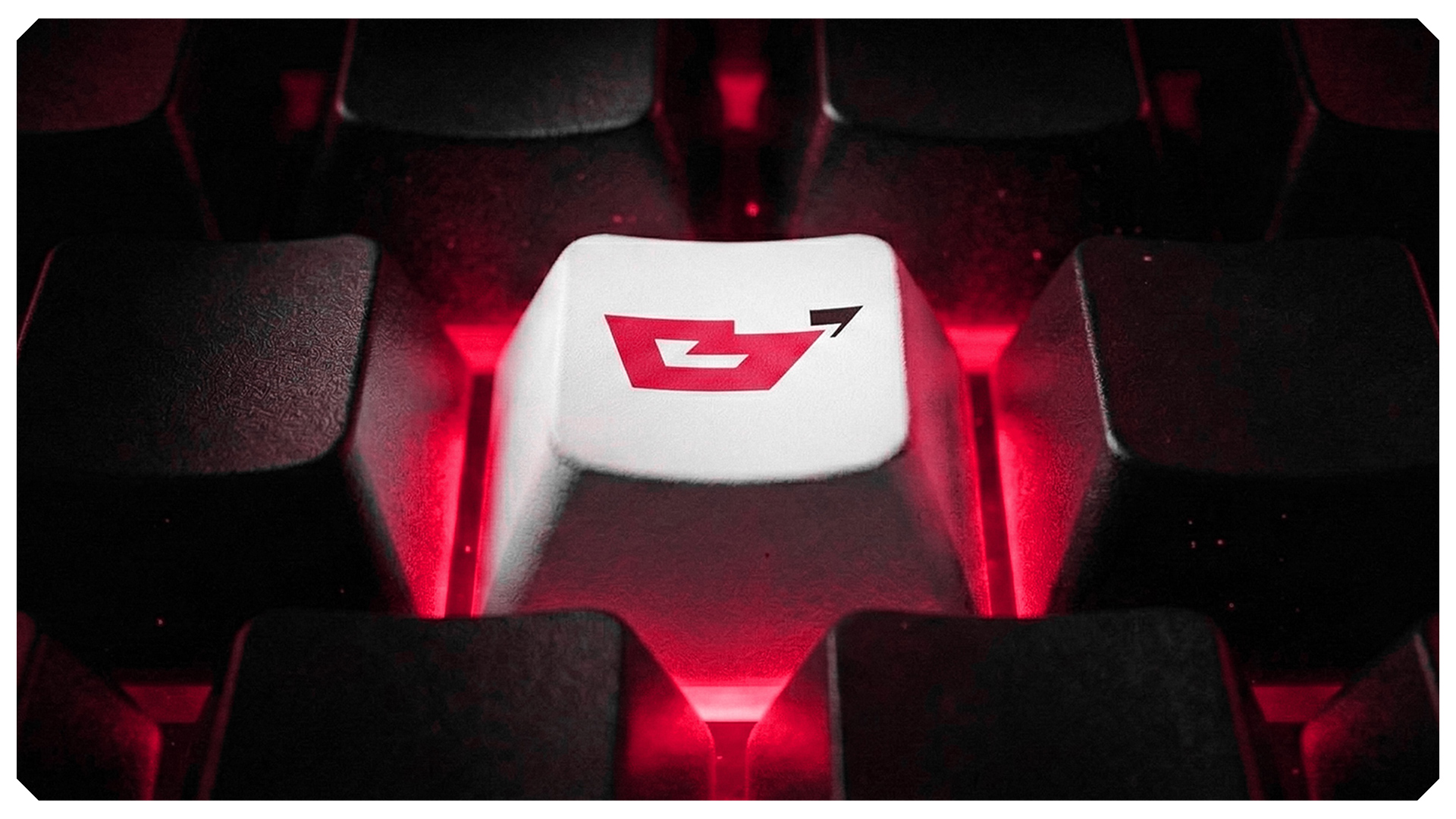
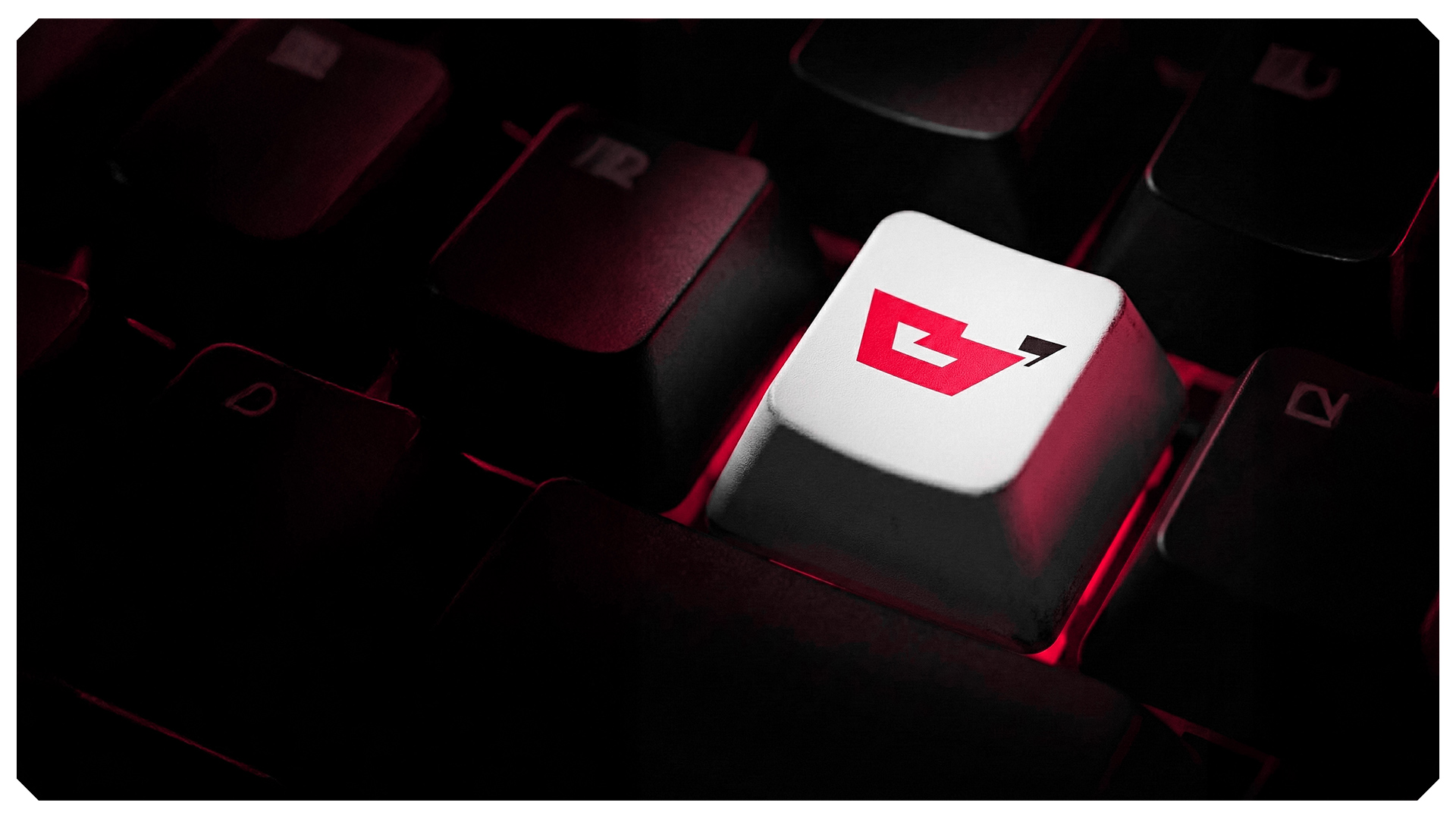
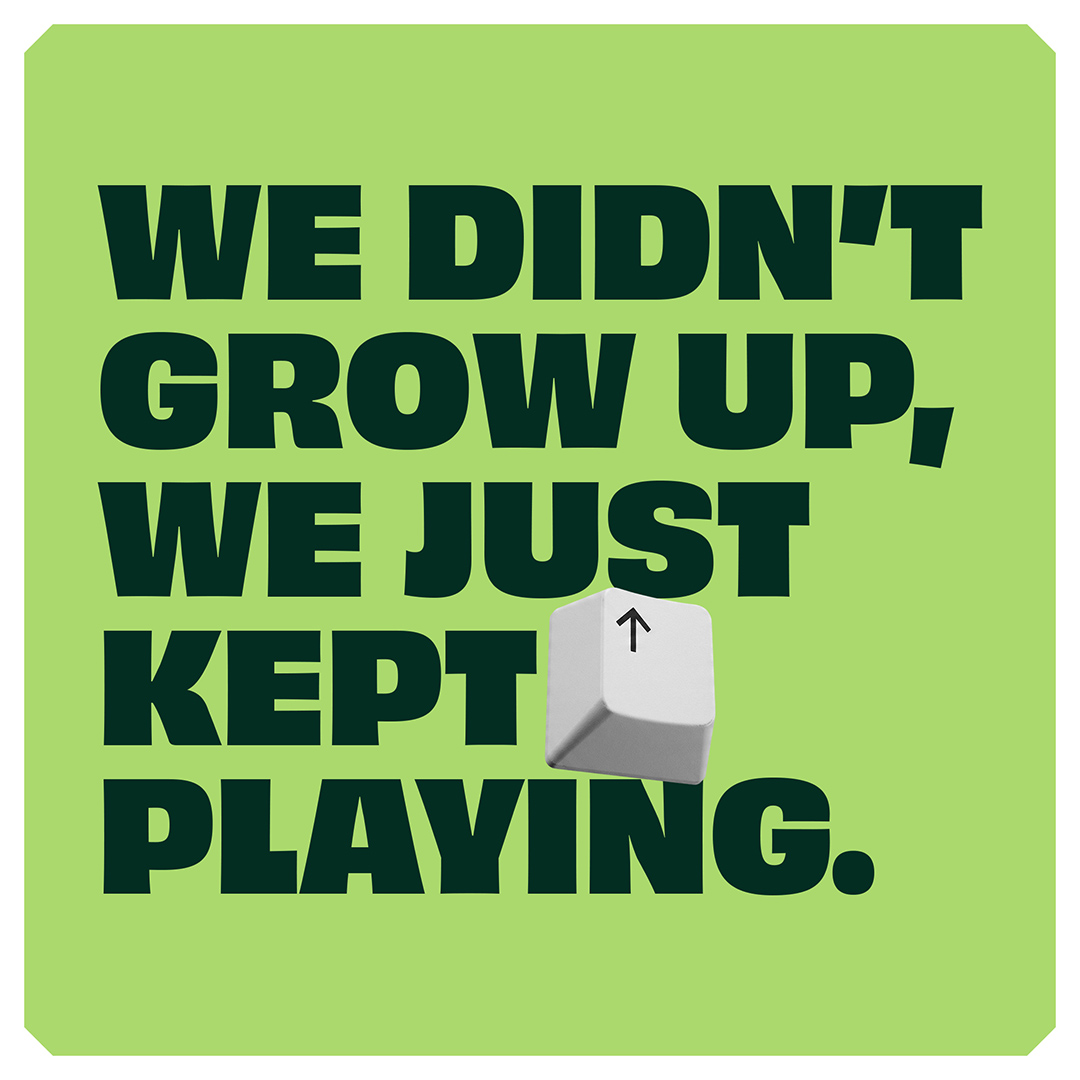
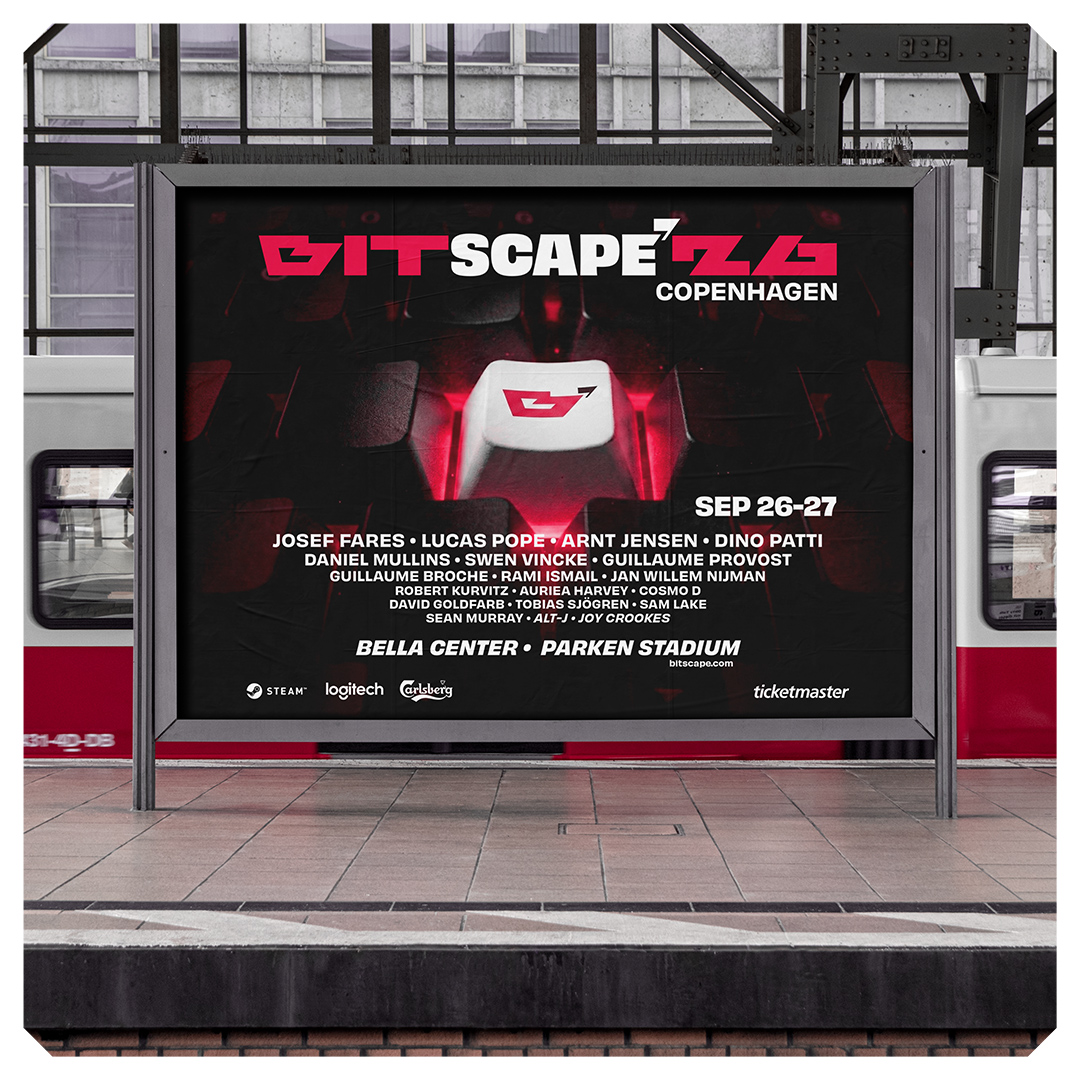
The keyboard keycap became the central visual metaphor.
A key represents interaction.
A decision.
An entry point into a digital world.
By isolating the keycap and transforming it into a design element, interaction itself became the symbol of the festival.
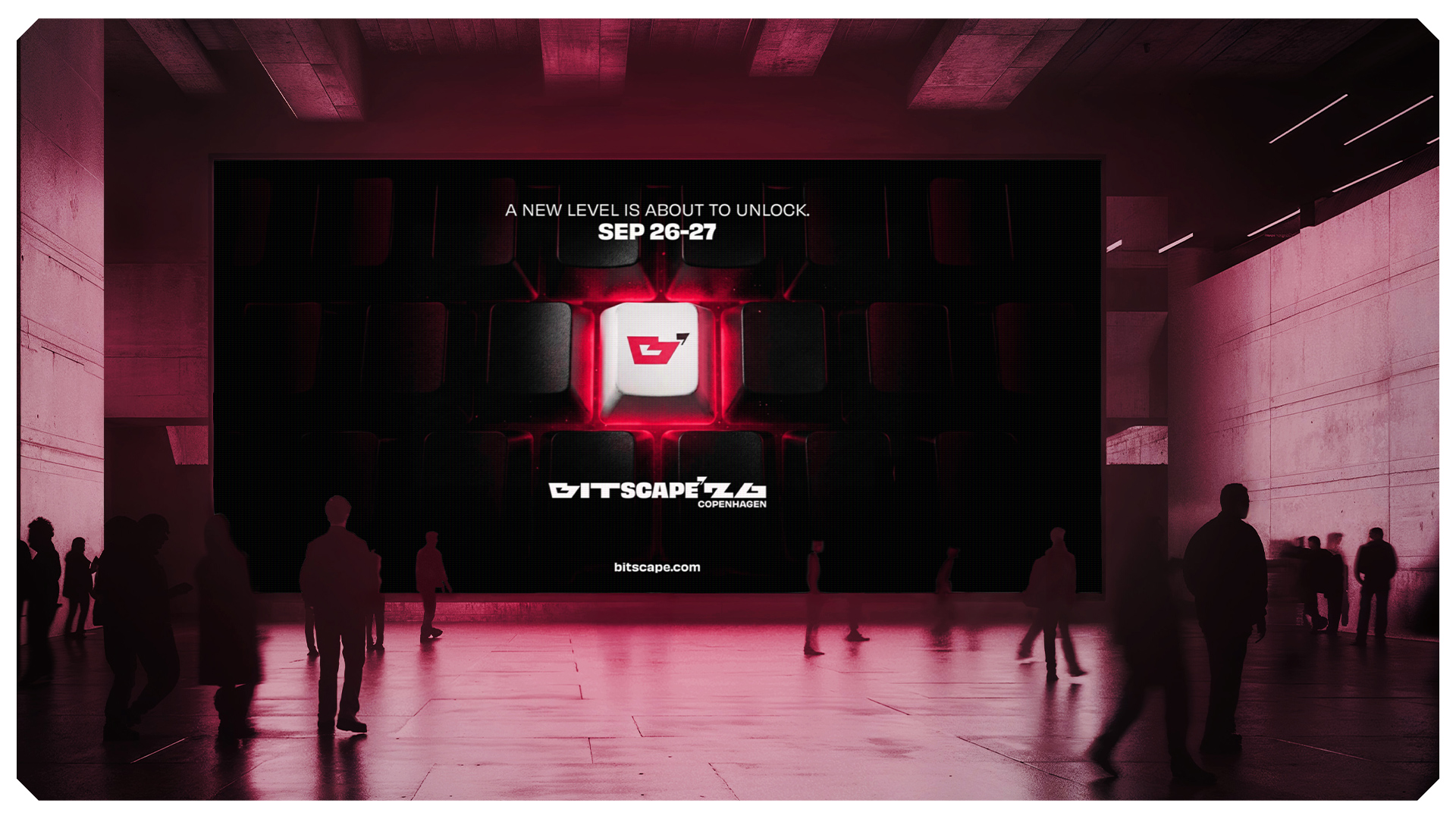
Hyper-realistic white keycaps were rendered and used as the core visual device across posters, digital assets and motion graphics.
Each key becomes a message, a zone or a moment within the BITSCAPE universe.
Levels, Not Categories
Instead of traditional program sections, the festival is structured as playable zones.
Each zone functions like a different level inside the BITSCAPE ecosystem.
PLAY ZONE
Visitors discover and experience curated independent games.
BUILD ZONE
Workshops, prototyping sessions and game jams bring developers together.
BITTALKS
Talks from well-known voices within the European indie game community.
COMMUNITY HUB
A space for networking, collaboration and spontaneous encounters.
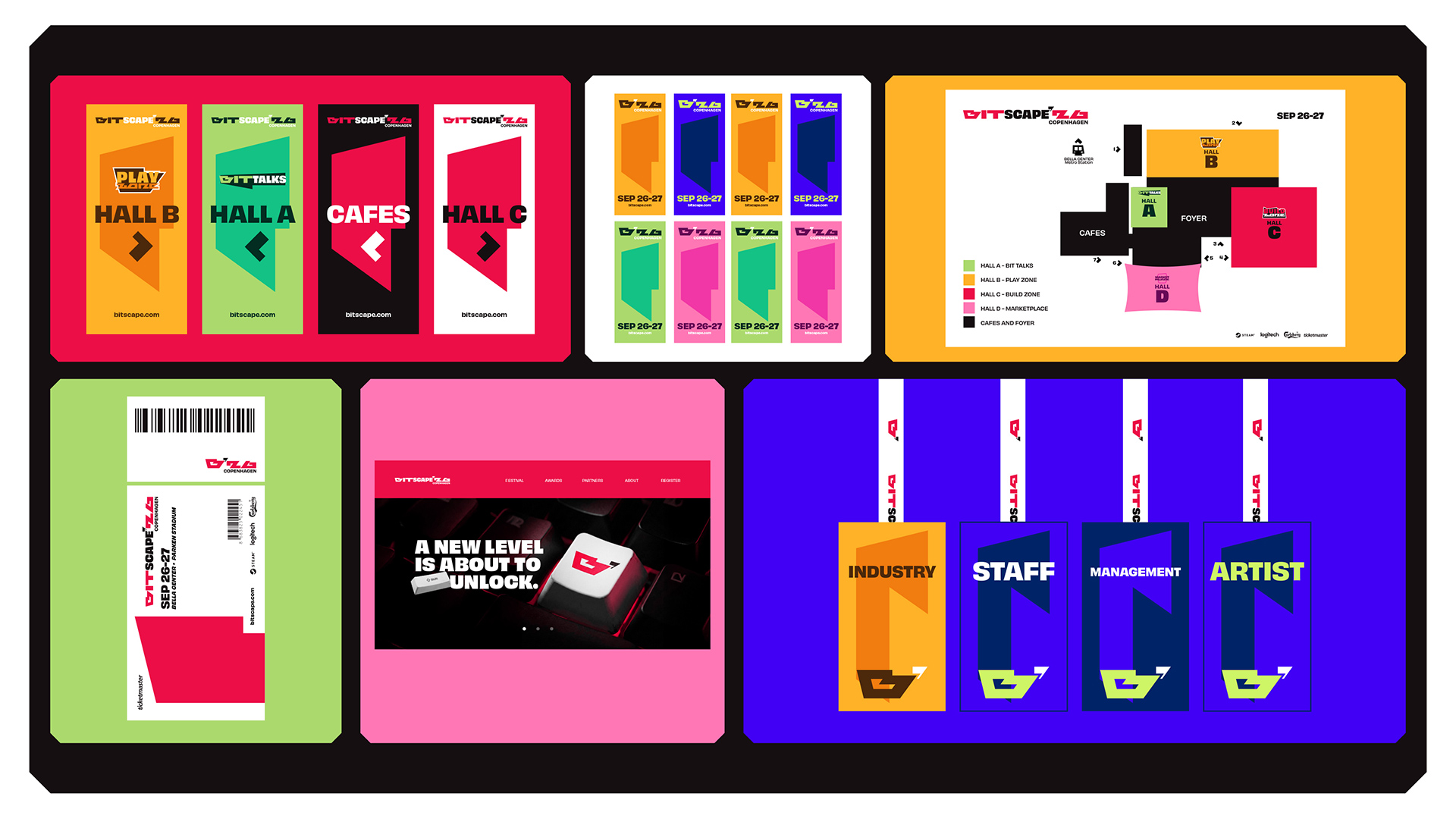
Each zone has its own logo, color theme and typographic rhythm while remaining part of the overall system.
The System Is Stable. The World Evolves.
The visual identity is intentionally controlled.
Keycaps share the same material, lighting and environment.
Backgrounds remain dark and minimal.
The system stays consistent.
Only perspective, composition and content change.
This creates a recognizable structure while allowing endless variation — reflecting the way indie games are built: a stable foundation with infinite creative possibilities.
This Identity Moves
Indie culture is dynamic.
The brand needed motion.
The motion language includes rotating keycaps, subtle glitch interruptions and grid-based typographic transitions. Static visuals provide clarity, while motion adds rhythm and unpredictability.
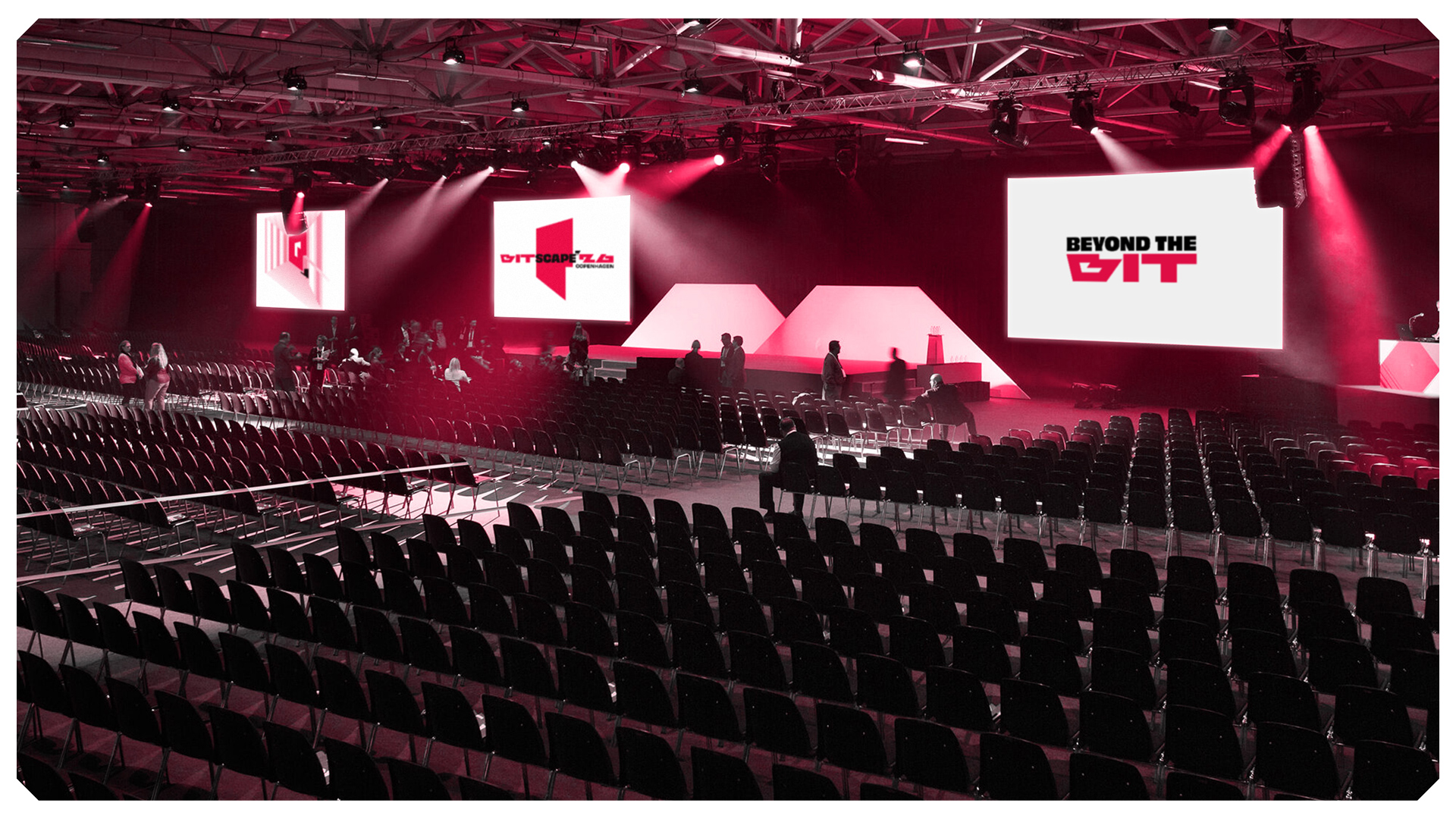
These motion assets power stage screens, social media loops and digital environments throughout the festival.
Enter The Map
The spatial experience treats the festival venue like a playable interface.
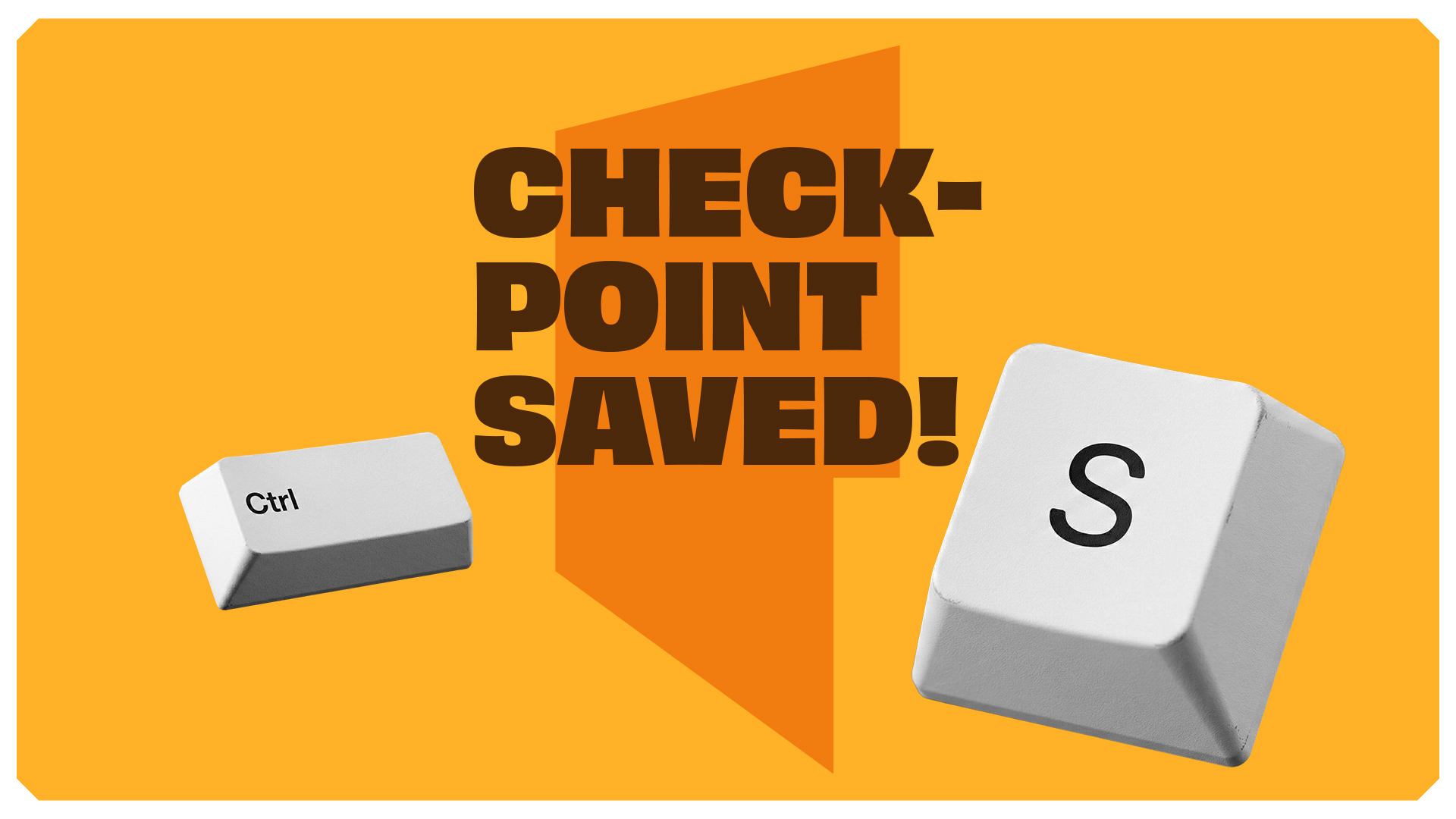
Wayfinding language borrows directly from gaming culture:
Checkpoint Saved
Quest Started
Dev Mode On
Large-scale typography, zone colors and motion screens guide visitors through the environment, turning navigation into part of the experience.
Attendees don’t simply attend BITSCAPE.
They enter it.
The Result
BITSCAPE becomes more than a festival identity.
It is a modular visual system that grows with the community it represents.
By transforming a simple keyboard key into the core symbol of interaction, the project captures the essence of independent game culture:
Experimental
Collaborative
And constantly evolving.
BITSCAPE is where indie games are played, built and shared.
CREDIT
- Agency/Creative: Cem Kutlu
- Article Title: Bitscape Independent Game Culture Festival by Cem Kutlu
- Organisation/Entity: Freelance
- Project Type: Identity
- Project Status: Non Published
- Agency/Creative Country: Denmark
- Agency/Creative City: CEM KUTLU
- Market Region: Europe
- Project Deliverables: Brand Design, Brand Strategy, Motion Graphics
- Industry: Entertainment
- Keywords: gaming, festival, indie games
-
Credits:
Graphic Designer: Cem Kutlu









