



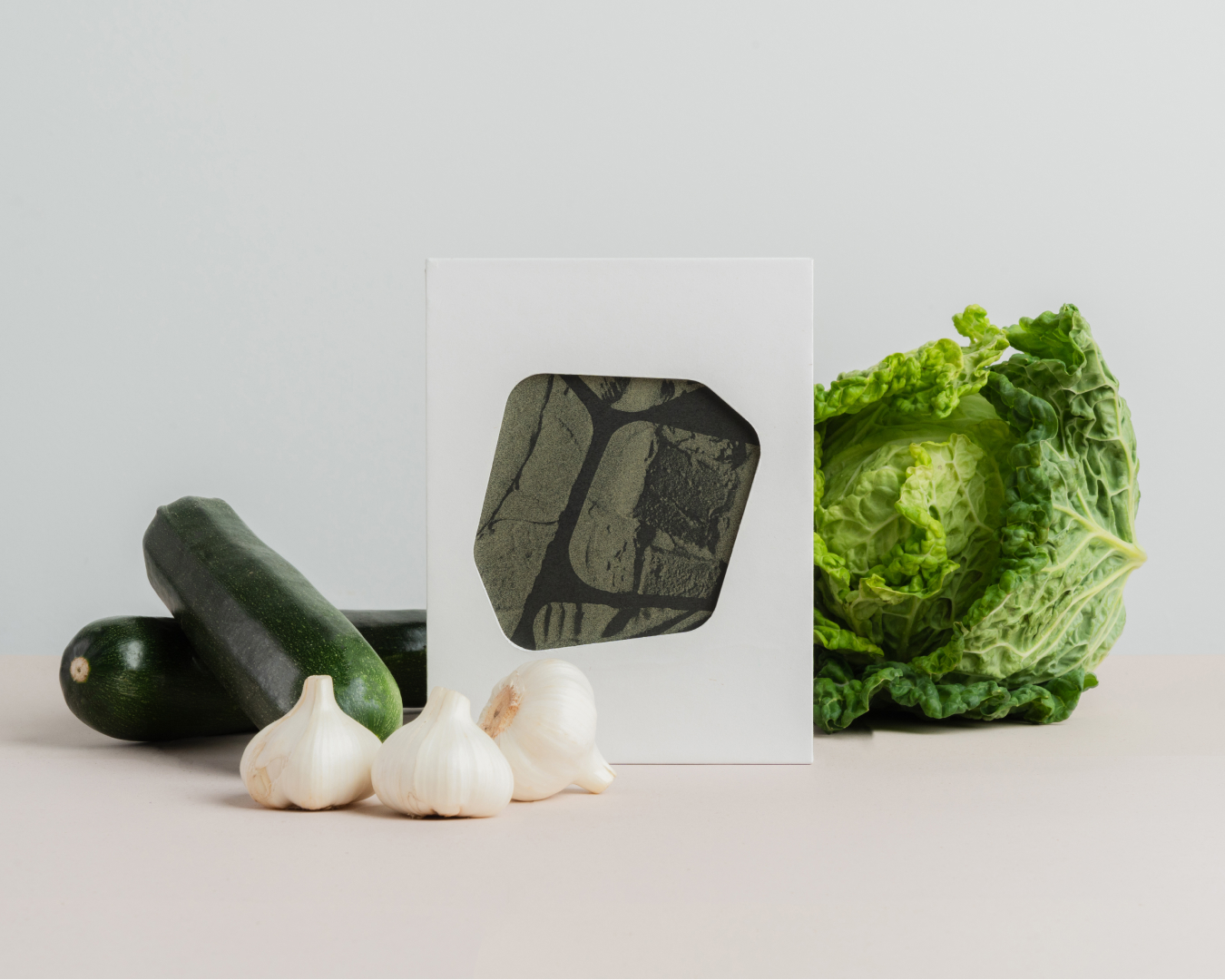
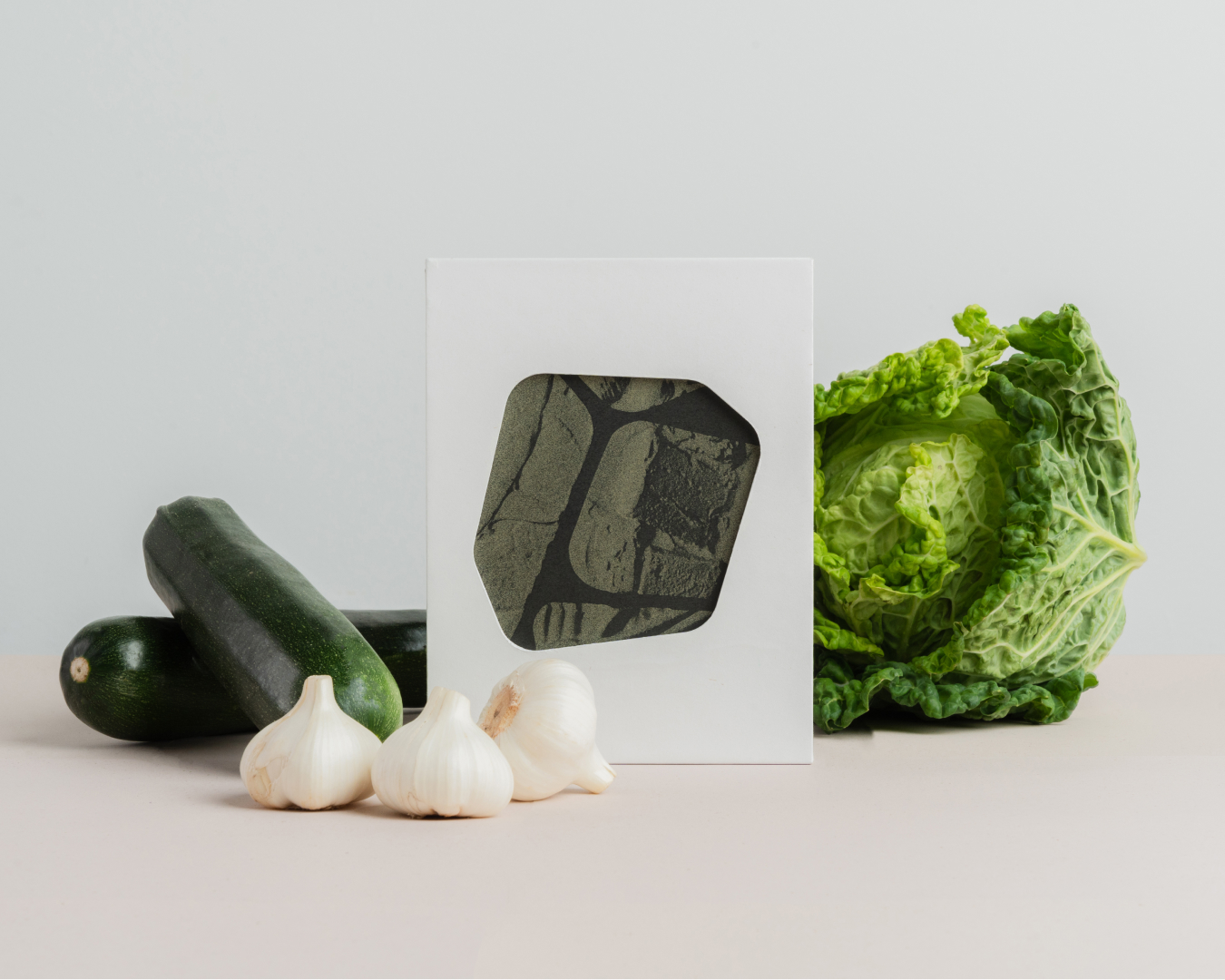
KOOKTA is more than just an entertaining board game — it’s a response to one of today’s most common mental health challenges: burnout. Its creation stems from the insight that cooking, when approached playfully, is not a chore but a liberating, creative, and community-building activity. In the game, players are challenged to create dishes from given ingredients, which stimulates creativity, enhances problem-solving skills, and fosters collaboration and connection. KOOKTA offers a unique way to rediscover the joy of cooking — and shows how it can be an effective tool against everyday stress.
Objective
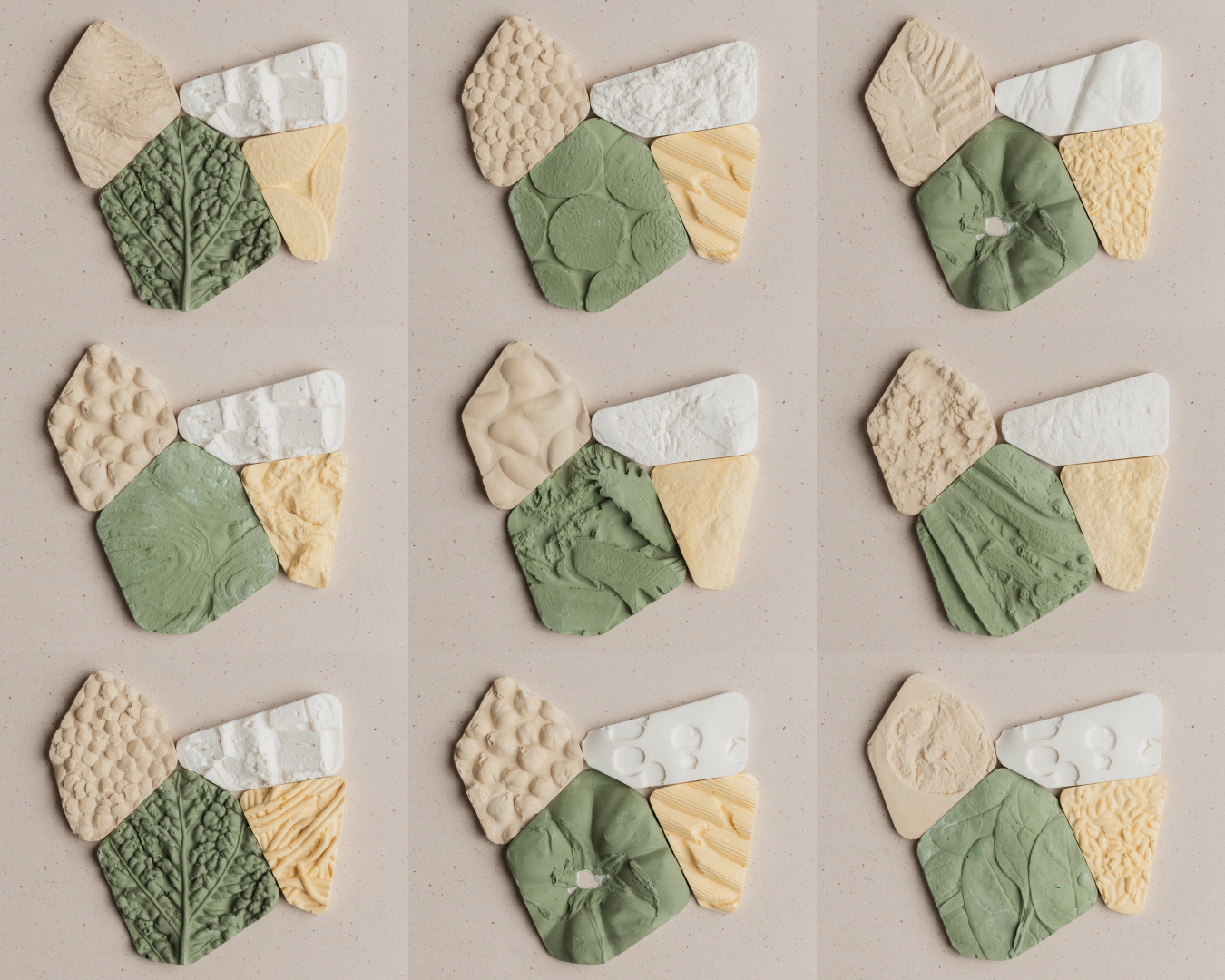
My initial premise was that it is possible to create dishes without relying on specific recipes, provided that the ingredients are carefully selected and organized into a well-thought-out category system. This approach encourages creativity, fosters flexible thinking, and develops problem-solving skills. I defined four distinct ingredient categories and selected items within them that are both easily accessible and sufficiently diverse.
During the testing phase of the game mechanics, my premise was confirmed: participants — including both beginners and more experienced cooks — successfully created four completely different, creative dishes in a short amount of time. The task proved to be achievable for everyone, and participants described the process as enjoyable, inspiring, and liberating.
Elements
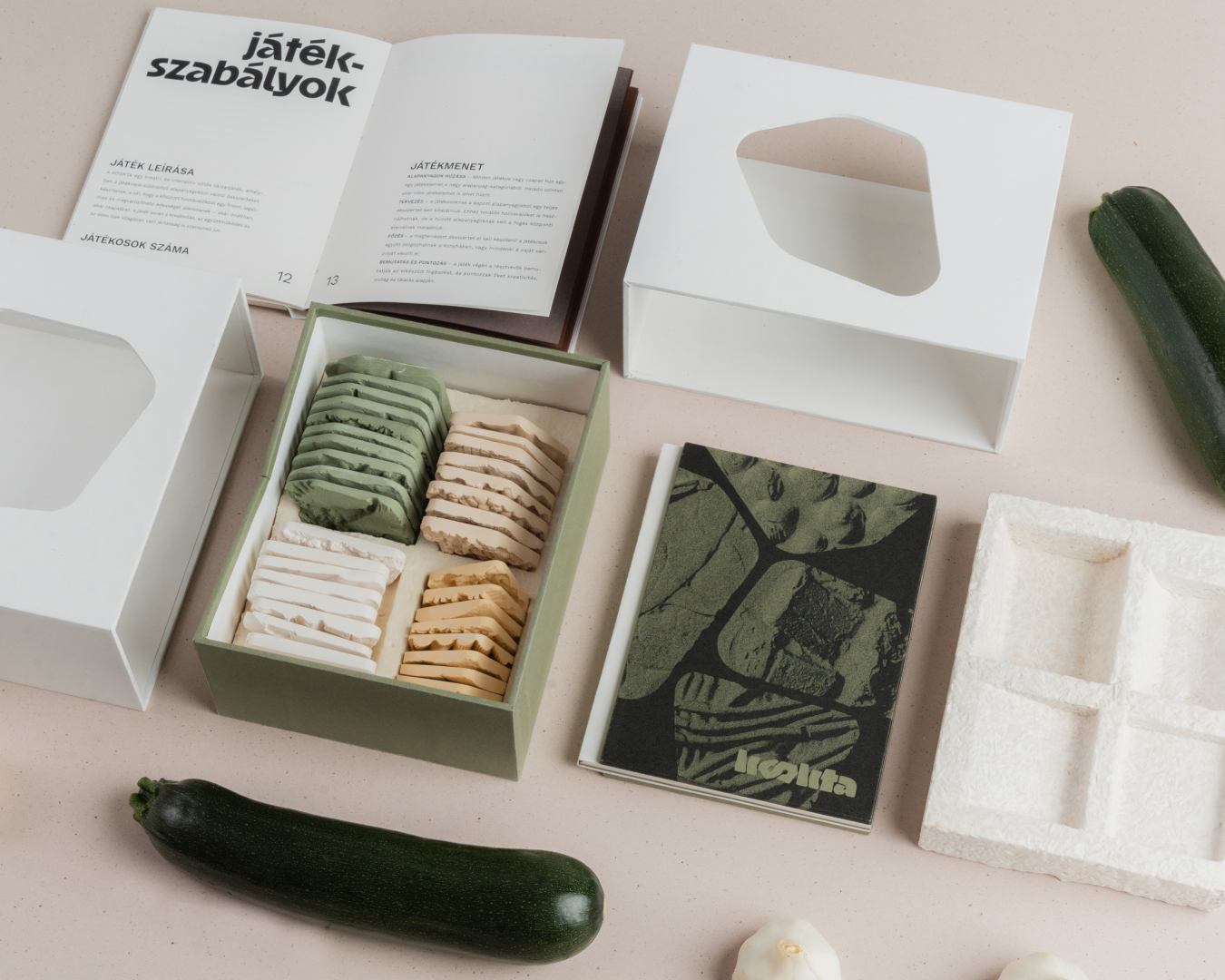
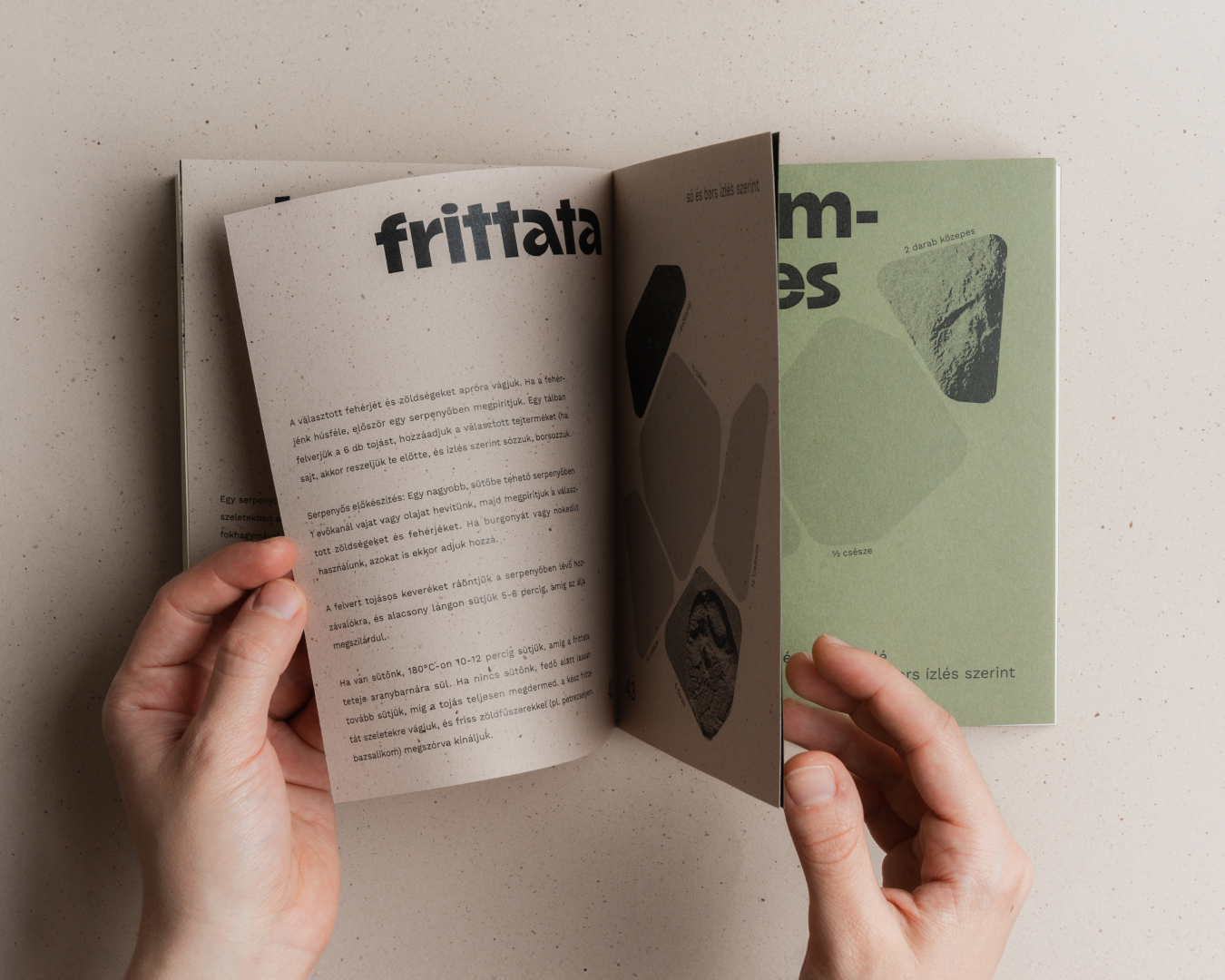
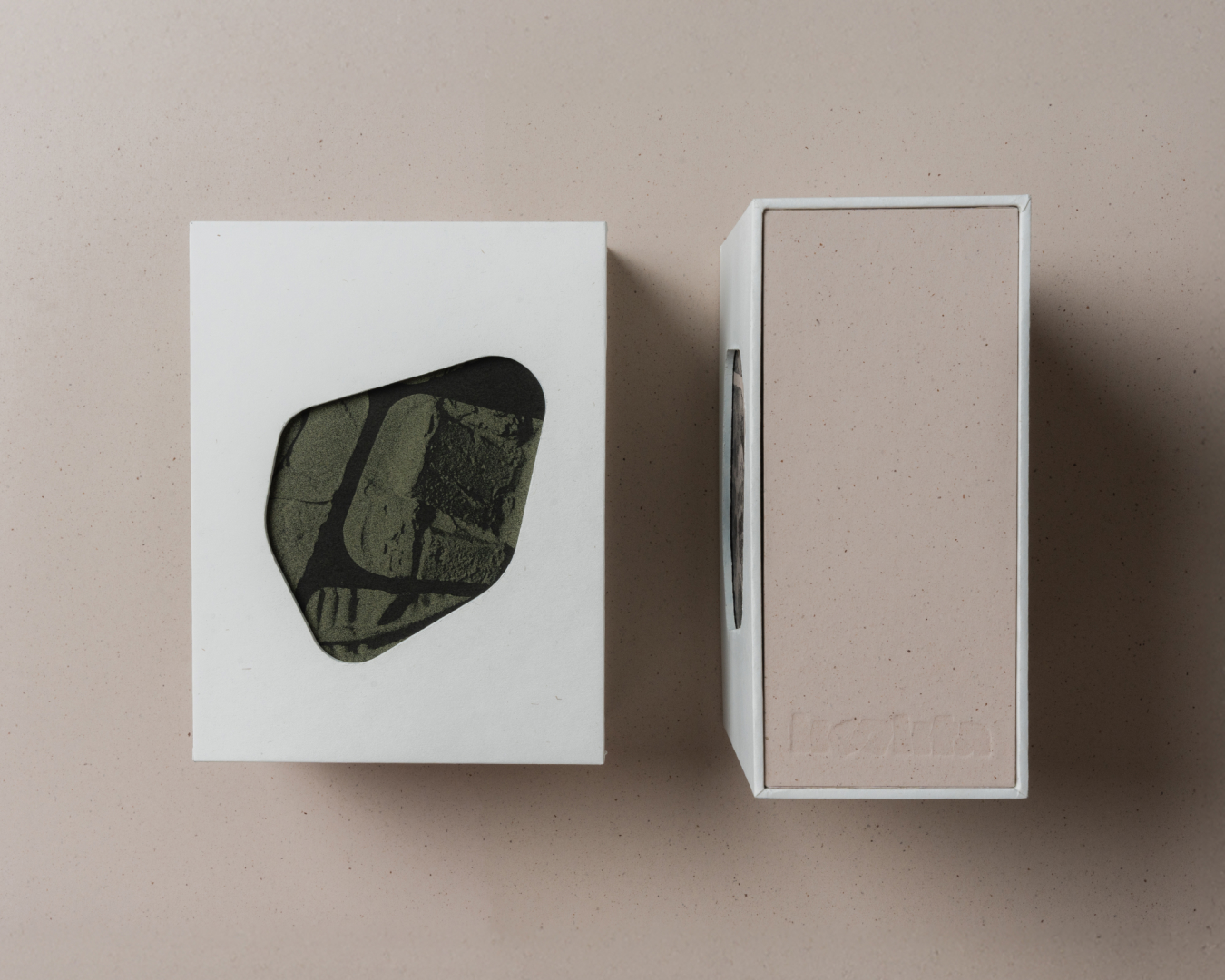
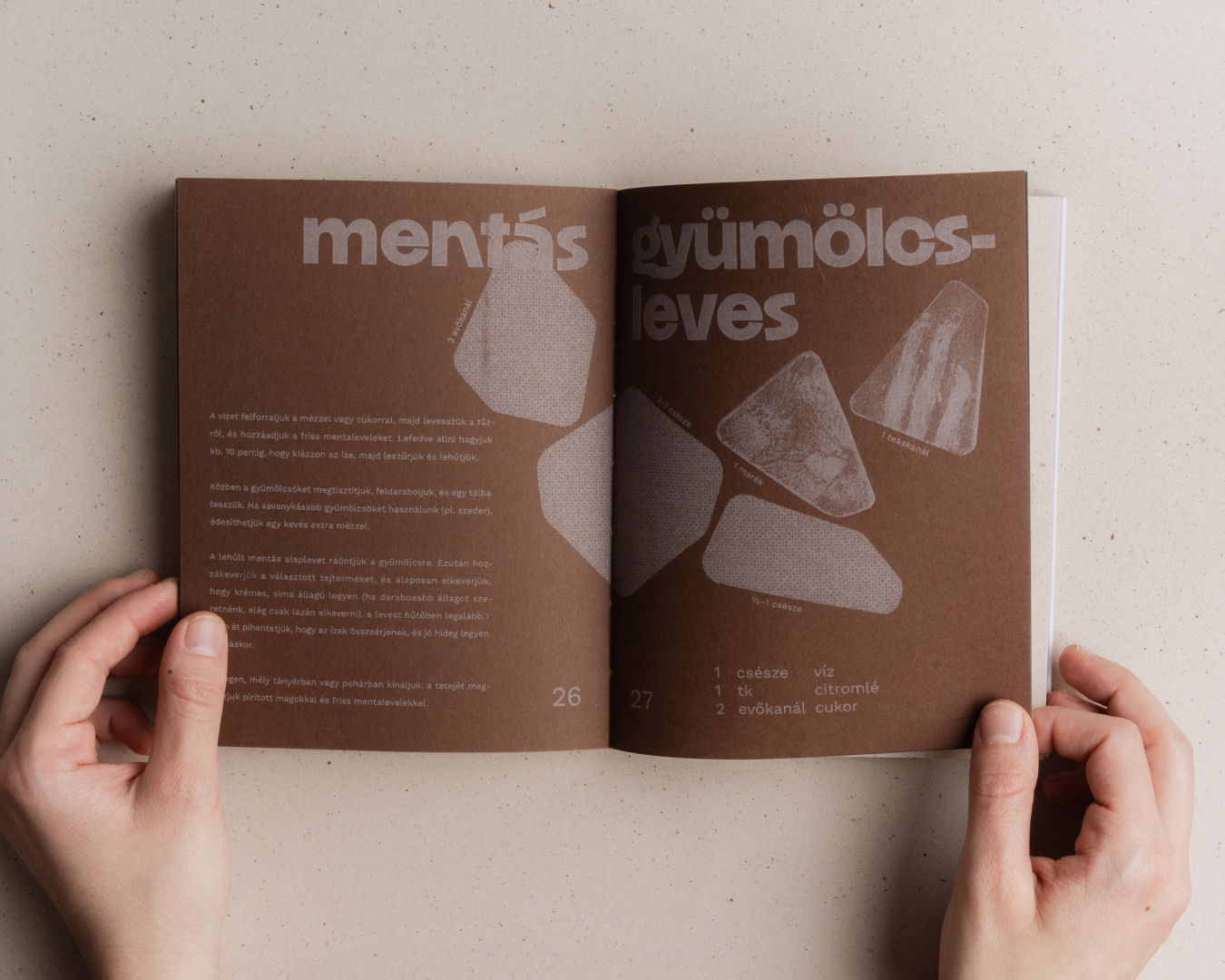
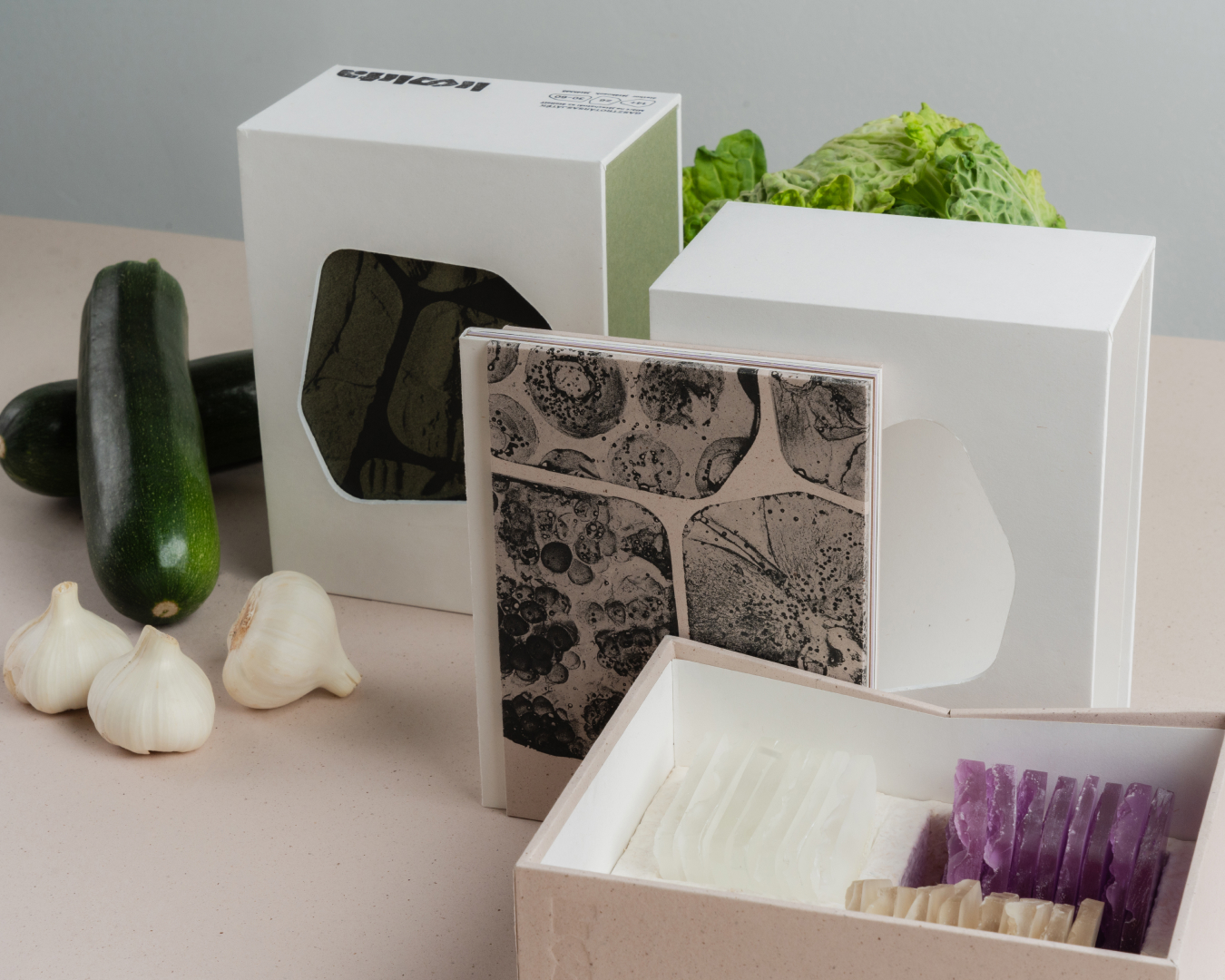
The project is a two-part board game series, with one set based on savory ingredients and the other on sweet ones. Each set includes a booklet that goes beyond game instructions to offer practical recipes—with precise measurements, yet allowing for freely interchangeable ingredients. I organized the ingredient categories so that any combination of four elements can be used to quickly and easily create a dish. Interestingly, this method allows for the preparation of at least 5,120 different dishes.
The game can be played in multiple ways—individually or in teams—using four or more ingredients. A key design goal was to create an expandable game system to which additional ingredient sets can be added. This allows the game to grow alongside its players and maintain engagement over the long term. As inspiration, I looked to the modular structure of the board game Catan.
In the future, the sets could be expanded with seasonal vegetable and fruit ingredients, vegetarian options, or characteristic components of various national cuisines.
Game Pieces
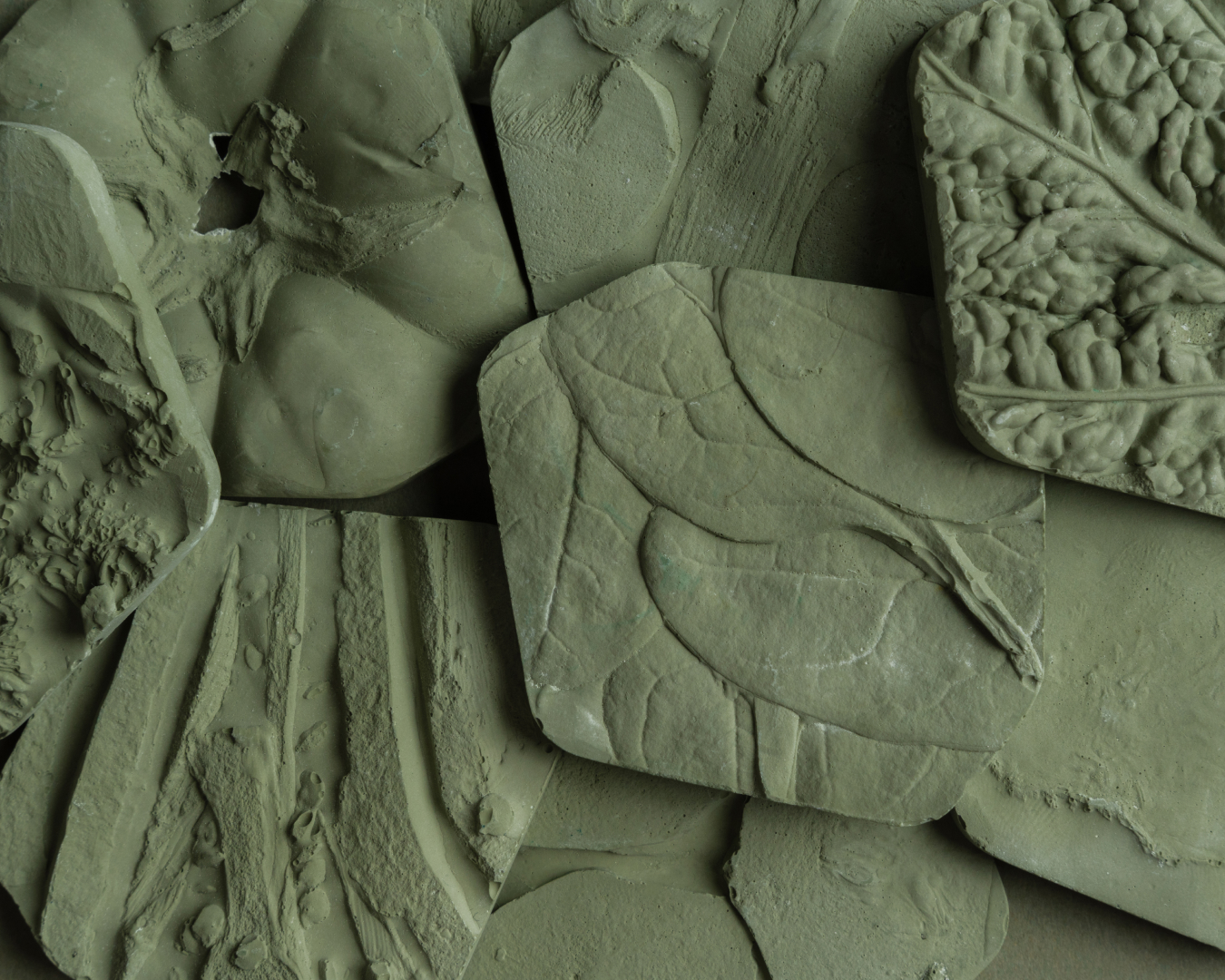
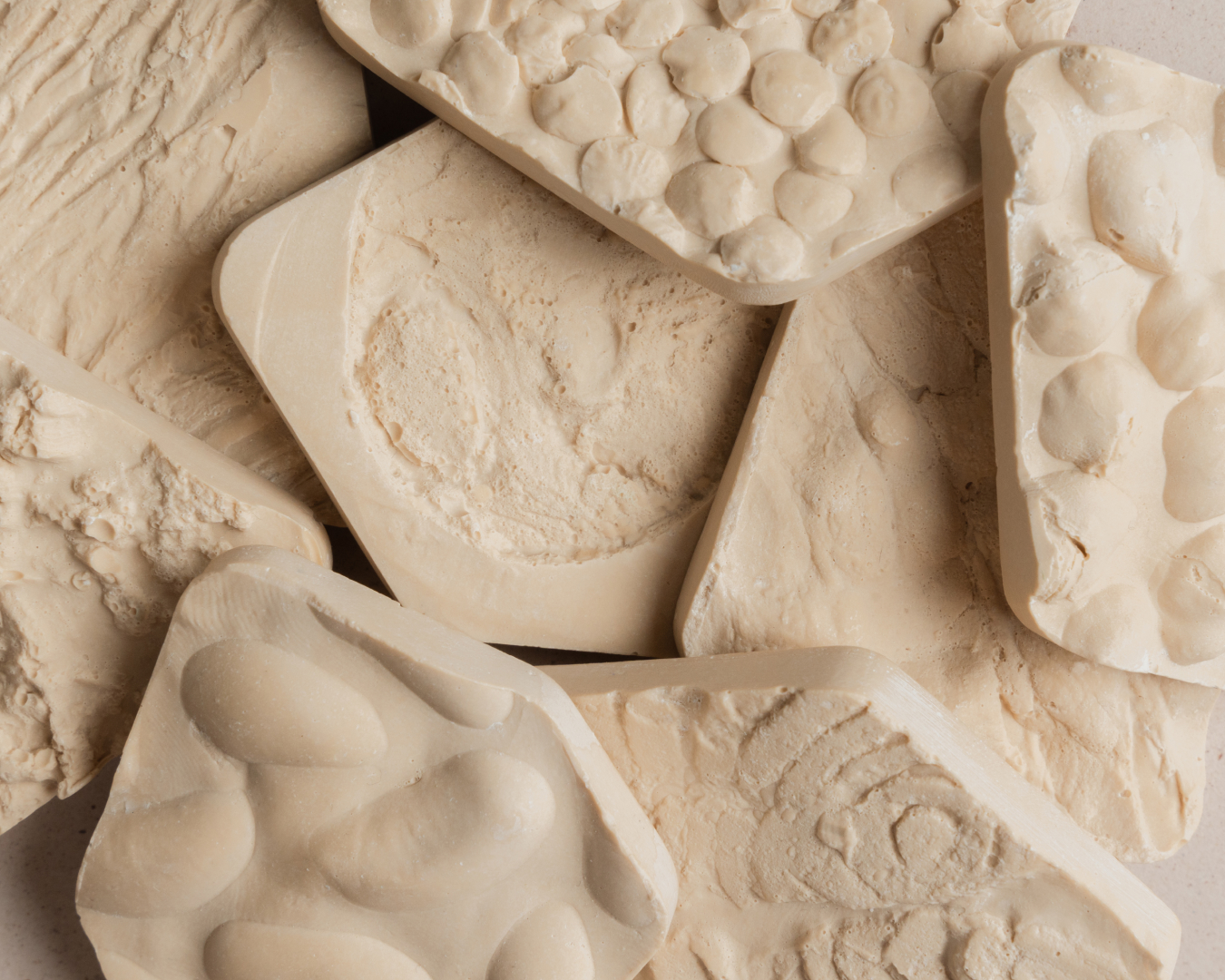
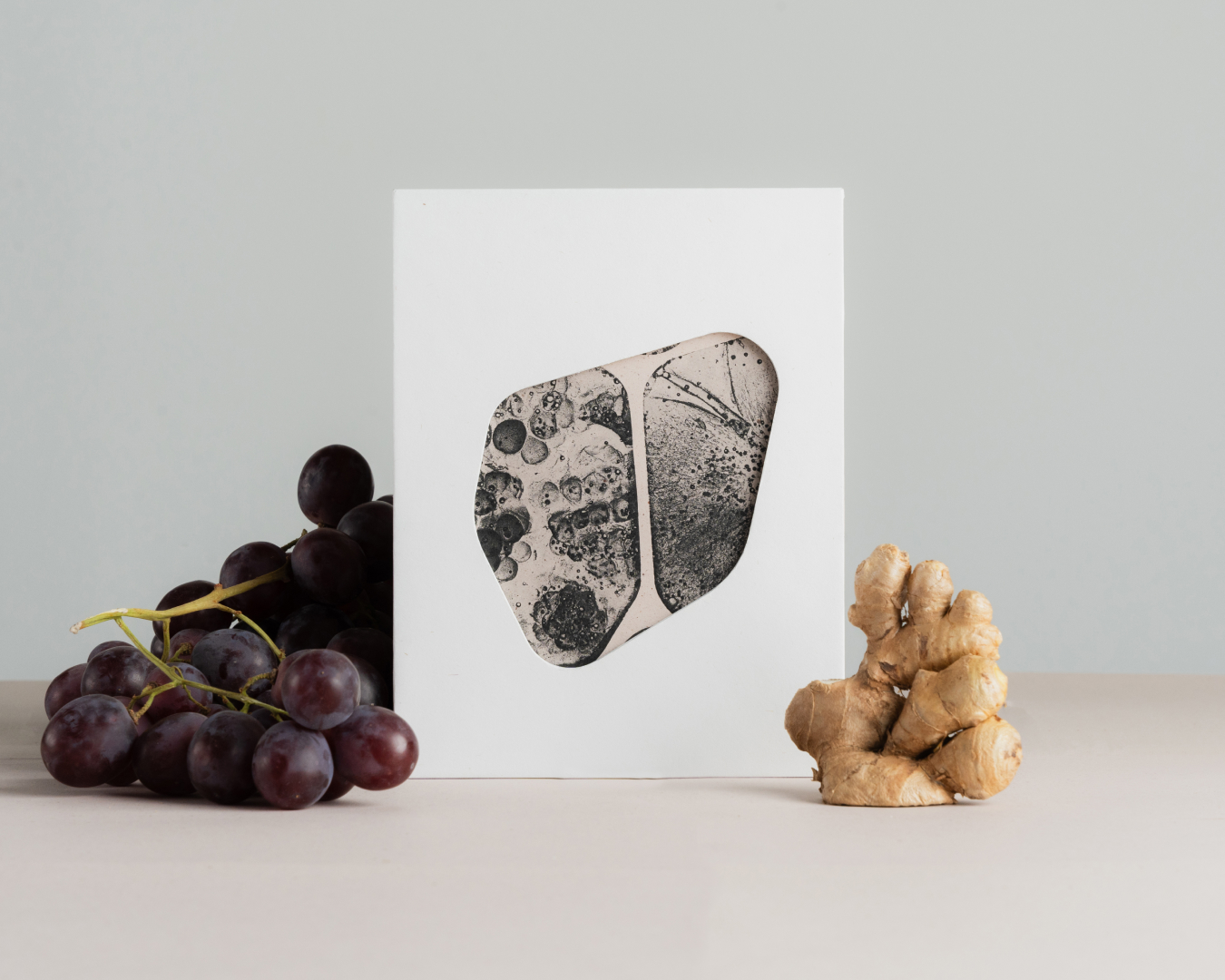
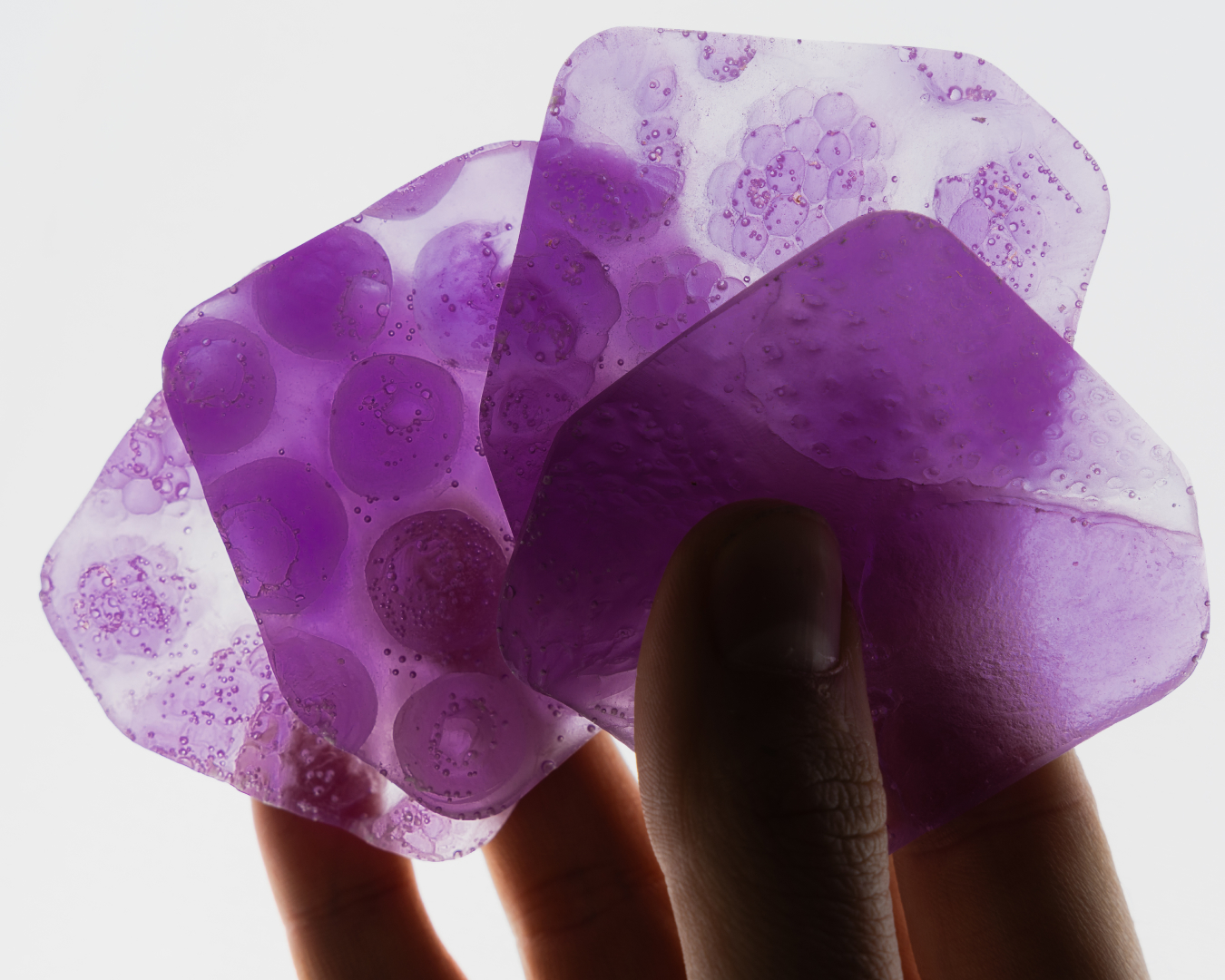
To create the game pieces, I used real food ingredients as templates. I captured their impressions using two-component silicone. For casting, I first made plaster molds, then used their negatives to produce the final silicone molds. The pieces in the savory set were cast using acrylic resin, while the sweet set was made with epoxy resin. Each set contains 34 unique game pieces.
The shape design of the pieces intentionally departs from regular, symmetrical forms: their sides are of varying lengths, and their corners meet at different angles. This design allows the pieces to be connected in a wide variety of ways. There is no single correct way to assemble them, making variability and creative freedom central elements of the gameplay experience.
Mycelium Composite – Sustainable Design
For both game sets, I created custom inserts made from mycelium composite to securely hold the game pieces in place inside the box. To shape the inserts, I first designed a 3D-printable model of the mold, printed it, and then grew the mycelium form within it. This unique material consists of plant fibers and fungal culture, and is fully biodegradable and compostable, while also retaining its shape when dried.
Sustainability and environmentally conscious thinking are important to me, so I deliberately sought a solution that could be produced in small quantities with minimal waste and material excess.

CREDIT
- Agency/Creative: Anna Sáringer
- Article Title: Anna Sáringer Presents Kookta With a Playful, Stress-Relieving Cooking Game Built Around Modular Creativity
- Organisation/Entity: Student
- Project Status: Non Published
- Agency/Creative Country: Hungary
- Agency/Creative City: Budapest
- Project Deliverables: Brand Design, Brand Naming, Culinary Arts, Editorial Design, Game Design, Graphic Design, Illustration, Logo Design, Packaging Design, Toy Design
- Industry: Entertainment
- Keywords: WBDS Student Design Awards 2025/26 cooking boardgame cooperative editorial food nature kitchen friends activity sustainable modular education textures sensory
-
Credits:
supervisor: Tamas Marcell









